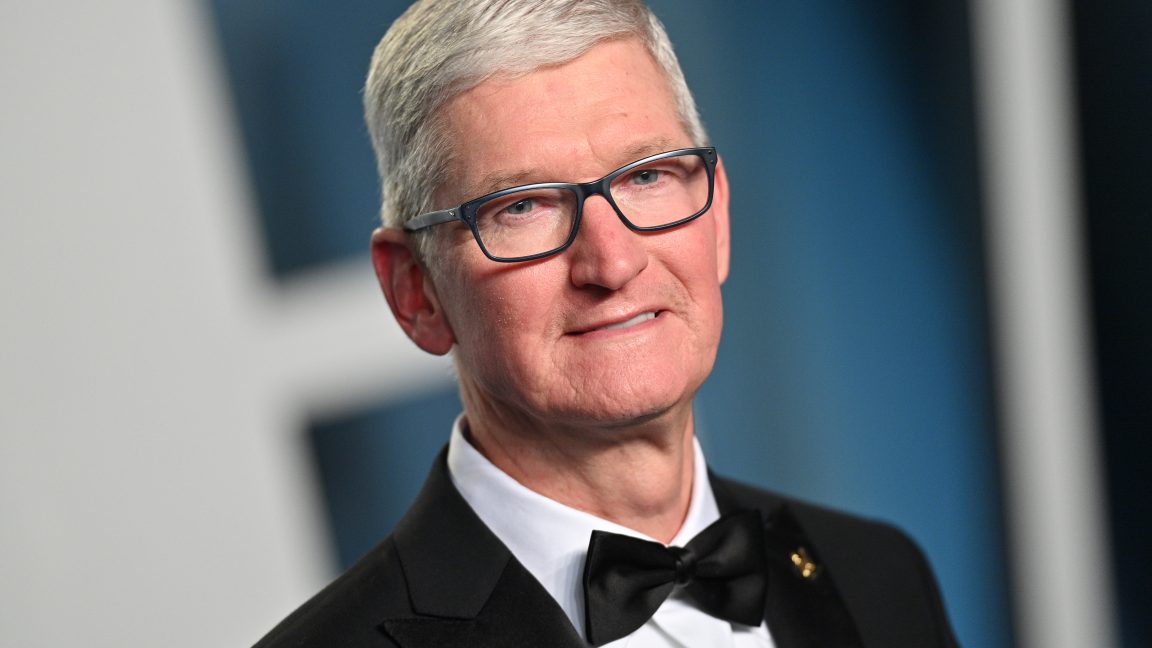
John Ternus Replaces Tim Cook as Apple CEO in Major Leadership Shift
In a historic leadership transition that marks the end of an era, Apple announced today that John Ternus will replace Tim Cook as Chief Executive Officer, with Cook moving to the role of executive chairman. This pivotal change ends Cook's 15-year tenure as CEO and represents the most significant leadership shift at the world's most valuable technology company since Steve Jobs' passing in 2011.
The transition, effective immediately, positions Ternus to lead Apple's day-to-day operations while Cook maintains strategic oversight through his new executive chairman position. This carefully orchestrated succession plan addresses long-standing questions about Apple's leadership continuity and sets the stage for the company's next chapter of innovation and growth.
John Ternus Takes the Helm: From Hardware Chief to CEO
John Ternus, who has served as Apple's Senior Vice President of Hardware Engineering since 2013, brings over two decades of experience at the Cupertino-based company to his new role as CEO. His appointment represents a strategic choice that underscores Apple's commitment to its core hardware innovation philosophy.
Throughout his tenure at Apple, Ternus has been instrumental in developing some of the company's most groundbreaking products. He played crucial roles in the development of the iPhone, iPad, and the revolutionary M-series chips that transformed Apple's Mac lineup. His engineering expertise and deep understanding of Apple's product development processes make him uniquely positioned to guide the company through its next phase of technological advancement.
Industry analysts have long viewed Ternus as a potential successor to Cook, particularly given his visibility in Apple's product launches and his technical acumen. His leadership of the hardware engineering team during the successful transition from Intel processors to Apple Silicon demonstrated his ability to execute complex, company-wide initiatives that require both technical expertise and strategic vision.
The timing of this leadership change comes at a critical juncture for Apple, as the company navigates emerging technologies including artificial intelligence, augmented reality, and the next generation of personal computing devices. Ternus's background in hardware engineering positions him well to lead Apple's continued push into these technically demanding areas.
Tim Cook's Legacy and Transition to Executive Chairman
Tim Cook's transition from CEO to executive chairman represents a natural evolution for the leader who transformed Apple from a primarily hardware company into a comprehensive technology and services ecosystem. During his 15-year tenure as CEO, Cook oversaw Apple's growth from a $350 billion company to its current status as the world's most valuable corporation, with a market capitalization exceeding $3 trillion.
Under Cook's leadership, Apple successfully launched numerous product categories, including the Apple Watch, AirPods, and Apple TV+, while significantly expanding its services revenue through the App Store, iCloud, and subscription offerings. His operational expertise, honed during his earlier role as Chief Operating Officer, helped Apple achieve unprecedented manufacturing scale and global market penetration.
The executive chairman role will allow Cook to maintain his involvement in Apple's strategic direction while stepping back from the demanding day-to-day operational responsibilities that have defined his tenure as CEO. This transition model has been successfully employed by other major technology companies, providing continuity of vision while enabling fresh operational leadership.
Cook's influence on Apple extends beyond financial metrics to include the company's stance on privacy, environmental responsibility, and social issues. His advocacy for user privacy rights and commitment to carbon neutrality have become defining characteristics of Apple's corporate identity, establishing precedents that will likely continue under Ternus's leadership.
Strategic Implications for Apple's Future Direction
The leadership transition from Tim Cook to John Ternus signals Apple's strategic priorities for the coming decade, particularly its focus on hardware innovation and emerging technologies. Ternus's engineering background suggests that Apple will continue to prioritize technical excellence and breakthrough hardware capabilities as core differentiators in an increasingly competitive technology landscape.
This change comes as Apple faces significant challenges and opportunities across multiple fronts. The company is actively developing its Vision Pro spatial computing platform, advancing its automotive ambitions, and competing in the rapidly evolving artificial intelligence space. Ternus's technical expertise may prove crucial in navigating these complex technological domains.
The transition also reflects Apple's confidence in its leadership development and succession planning processes. Unlike the sudden leadership changes that have affected other major technology companies, Apple's methodical approach to this transition demonstrates the organizational maturity that Cook helped establish during his tenure.
From a market perspective, this leadership change occurs at a time when Apple faces increasing regulatory scrutiny, particularly regarding its App Store policies and market dominance in various technology segments. Ternus will need to balance continued innovation with evolving regulatory requirements across global markets.
Industry Context and Market Implications
This leadership transition at Apple occurs within a broader context of significant changes across the technology industry. Major technology companies have experienced numerous leadership changes in recent years, reflecting the evolving challenges of managing large-scale technology organizations in an increasingly complex regulatory and competitive environment.
The timing of this announcement, in April 2026, positions Apple to execute this transition during a period of relative market stability, allowing for careful planning and stakeholder communication. This contrasts with some technology companies that have experienced sudden leadership departures amid crisis situations or external pressures.
Apple's approach to this transition reflects lessons learned from its own history and the experiences of other major corporations. The company's careful succession planning and the retention of Cook in an executive chairman role demonstrate a commitment to maintaining stability while enabling strategic evolution.
The technology industry has witnessed varying approaches to CEO transitions, from complete departures to advisory roles, and Apple's choice of the executive chairman model suggests confidence in both leaders' ability to work collaboratively during this transition period. This structure provides continuity for key stakeholder relationships while allowing Ternus to establish his operational authority.
Market analysts will closely monitor how this leadership change affects Apple's strategic initiatives, particularly in emerging technology areas where the company faces intense competition from both established technology giants and innovative startups. The success of this transition will likely be measured not only in financial performance but also in Apple's ability to maintain its innovation leadership and cultural identity.
Expert Analysis and Industry Response
Technology industry experts have generally responded positively to Apple's choice of John Ternus as Tim Cook's successor, citing his deep technical knowledge and proven track record within the company. "Ternus represents continuity with Apple's engineering excellence while bringing fresh perspectives to the CEO role," noted leading technology analyst Daniel Ives of Wedbush Securities.
The selection of Ternus over other potential internal candidates reflects Apple's strategic emphasis on hardware innovation and technical leadership. Industry observers have noted that his appointment suggests Apple's continued commitment to developing breakthrough hardware capabilities as a primary competitive advantage.
Investment analysts have expressed confidence in the transition plan, particularly given the retention of Cook in an advisory capacity. "This represents an ideal succession scenario for Apple stakeholders," commented Gene Munster, managing partner at Deepwater Asset Management. "The company maintains institutional knowledge while enabling new leadership perspectives."
The broader technology community has praised Apple's methodical approach to this leadership transition, contrasting it favorably with more turbulent leadership changes at other major technology companies. This careful planning reflects the organizational maturity and strategic foresight that have characterized Apple's operations under Cook's leadership.
What's Next: Monitoring Apple's Evolution
As John Ternus assumes the CEO role, industry observers will closely monitor several key indicators of Apple's strategic direction and execution capabilities. His early decisions regarding product development priorities, organizational structure, and strategic initiatives will provide insights into his leadership approach and vision for Apple's future.
Particular attention will focus on Apple's advancement in artificial intelligence, spatial computing, and other emerging technologies where Ternus's technical background may influence the company's competitive positioning. Additionally, his handling of ongoing regulatory challenges and stakeholder relationships will demonstrate his readiness for the broader responsibilities of CEO leadership.
The success of this transition will ultimately be measured by Apple's continued ability to innovate, grow, and maintain its position as a leading technology company while adapting to evolving market conditions and technological paradigms.
For more tech news, visit our news section.
Staying Ahead in the Technology Revolution
Leadership transitions at companies like Apple remind us how rapidly the technology landscape evolves and the importance of staying informed about changes that could impact our digital lives, productivity tools, and health technologies. As new leadership brings fresh perspectives to product development and strategic direction, the technologies we rely on for work, wellness, and personal optimization continue to advance at an unprecedented pace. Join the Moccet waitlist to stay ahead of the curve.