Apple CEO Tim Cook Replaced by John Ternus in Shock Move
Apple's Leadership Revolution: John Ternus Takes the Helm
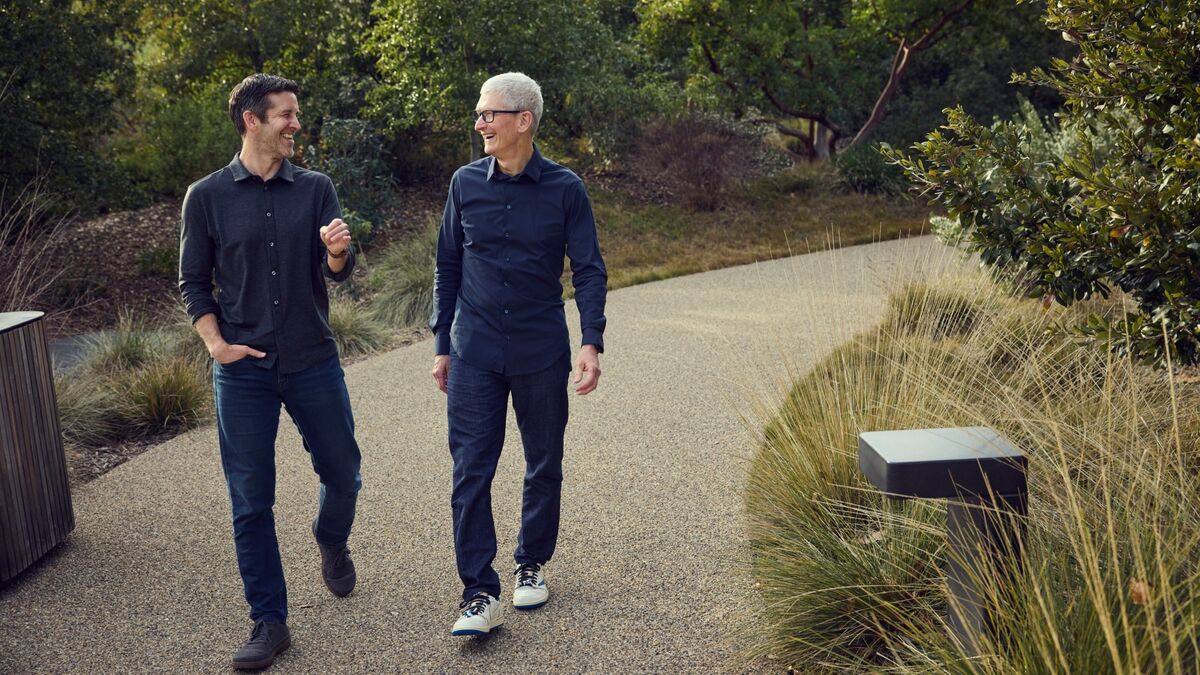
In a stunning announcement that sent shockwaves through Silicon Valley, Apple Inc. revealed on Monday, April 21, 2026, that longtime CEO Tim Cook would be stepping down from his role, with hardware engineering executive John Ternus taking over as the company's new chief executive. The transition, which appears to have been carefully orchestrated, was accompanied by an image of both executives walking together at Apple's iconic Cupertino campus, symbolizing a new era for the world's most valuable technology company.
The leadership change comes at a critical juncture for Apple, as the company faces increasing competition in artificial intelligence, mounting pressure from regulators worldwide, and the need to reinvent itself for the next decade of technological innovation. Ternus, who has spent over two decades at Apple and played a pivotal role in developing products from the iPad to the Vision Pro headset, represents the company's bet on returning to the bold, decisive leadership style that characterized the Steve Jobs era.
John Ternus: The Hardware Visionary Behind Apple's Modern Success
John Ternus brings a unique combination of technical expertise and product vision to Apple's top role. Since joining Apple in 2001, Ternus has been instrumental in shaping the company's hardware strategy, overseeing the development of revolutionary products that have defined entire categories. His journey at Apple began during the early days of Mac development, but it was his leadership in the iPad and iPhone divisions that truly established his reputation as a product visionary.
Under Ternus's guidance, Apple's hardware engineering teams have consistently pushed the boundaries of what's possible in consumer technology. He was a key architect behind the M1 chip transition that freed Mac computers from Intel dependency, demonstrating the kind of bold, strategic thinking that Apple's board clearly values. His work on the iPad Pro line transformed tablets from simple consumption devices into legitimate laptop alternatives, opening new markets and use cases that competitors are still trying to match.
Perhaps most significantly, Ternus led the development of Apple's mixed reality initiatives, culminating in the Vision Pro headset launched in early 2024. While the product's commercial success has been mixed, industry analysts credit Ternus with pushing Apple into an entirely new category that many believe will define the next computing platform. This willingness to take calculated risks on emerging technologies reflects the Jobs-era mentality that Apple seems eager to recapture.
The timing of Ternus's ascension is particularly noteworthy given Apple's current challenges in artificial intelligence and machine learning. While competitors like Google and Microsoft have made significant strides in AI integration, Apple has been perceived as lagging behind. Ternus's engineering background and hands-on approach to product development could provide the technical leadership needed to accelerate Apple's AI initiatives and ensure the company remains competitive in this critical area.
Tim Cook's Legacy and the Transition Timeline
Tim Cook's departure marks the end of an era that transformed Apple from a premium technology company into the world's most valuable corporation. During his 15-year tenure as CEO, Cook oversaw Apple's evolution from a company primarily known for computers and phones into a diversified technology ecosystem encompassing services, wearables, and entertainment. Under his leadership, Apple's market capitalization grew from approximately $350 billion in 2011 to over $3 trillion by 2024.
Cook's operational excellence and supply chain expertise proved invaluable during global disruptions, including the COVID-19 pandemic and various geopolitical tensions that affected technology manufacturing. His methodical, data-driven approach to leadership provided stability during turbulent periods and helped Apple navigate complex regulatory challenges across multiple international markets. The expansion of Apple's services business, which now generates over $70 billion in annual revenue, stands as one of Cook's most significant achievements.
However, critics have long argued that Cook's cautious leadership style, while effective for operational excellence, lacked the bold vision and rapid decision-making that characterized Steve Jobs's tenure. Product releases under Cook often followed predictable patterns, with incremental improvements rather than revolutionary breakthroughs. This measured approach, while successful financially, may have contributed to perceptions that Apple had lost some of its innovative edge as competitors began matching or exceeding Apple's capabilities in key areas.
The transition timeline suggests this leadership change has been in development for months, if not years. Industry sources indicate that Ternus has been taking on increasingly strategic roles beyond his traditional hardware focus, including involvement in software integration and services strategy. This gradual expansion of responsibilities has prepared him for the broader CEO role while ensuring continuity in Apple's product development pipeline. Cook is expected to remain with the company in an advisory capacity during the transition period, though specific details about his ongoing role have not been disclosed.
Industry Context: Why Decisiveness Matters More Than Ever
The technology industry in 2026 presents challenges that require the kind of bold, decisive leadership that Apple hopes John Ternus will provide. Artificial intelligence has emerged as the defining battleground for tech companies, with rapid advancements in large language models, computer vision, and autonomous systems reshaping entire industries. Companies that hesitate or take incremental approaches to AI integration risk being left behind as the technology landscape evolves at unprecedented speed.
Apple's competitors have not stood still during the AI revolution. Google's integration of advanced AI across its product suite has made services like Search and Gmail significantly more powerful, while Microsoft's partnership with OpenAI has transformed productivity software through AI-enhanced features. Meanwhile, newer players like Anthropic and others are pushing the boundaries of what AI can accomplish, creating pressure on established companies to innovate quickly or risk obsolescence.
The regulatory environment also demands decisive leadership. Governments worldwide are implementing new privacy regulations, antitrust measures, and AI governance frameworks that require technology companies to adapt quickly. Apple's historical strength in privacy and security provides advantages, but capitalizing on these strengths requires agile decision-making and clear strategic direction. Ternus's technical background may prove valuable in navigating these complex regulatory landscapes while maintaining Apple's competitive position.
Consumer expectations have also evolved significantly since Cook took the CEO role. Today's technology users expect seamless integration across devices, intelligent anticipation of their needs, and products that adapt to their workflows rather than requiring adaptation to the technology. This shift from feature-driven to experience-driven computing demands the kind of holistic product thinking that characterized Apple's most successful innovations. Ternus's experience developing products that integrate hardware and software could position Apple to meet these evolving expectations.
The competitive landscape extends beyond traditional technology companies to include automotive manufacturers developing autonomous vehicles, healthcare companies creating digital therapeutics, and financial services firms building integrated payment platforms. This convergence of industries requires technology leaders who can think beyond conventional categories and identify opportunities for disruption across multiple sectors. Apple's diversification into health monitoring, automotive integration, and financial services suggests the company recognizes these trends, but capitalizing on them requires the kind of cross-functional vision that Ternus has demonstrated in his hardware leadership roles.
Expert Analysis: What This Means for Apple's Future
Technology industry analysts view the Ternus appointment as Apple's attempt to recalibrate its innovation engine for the challenges ahead. "John brings a level of technical depth that's been somewhat absent from Apple's executive leadership," notes Sarah Chen, principal analyst at TechInsight Research. "His hands-on experience with product development could translate into faster decision-making and more aggressive product timelines."
The choice of Ternus over other potential candidates, including services chief Eddy Cue or software engineering leader Craig Federighi, sends a clear signal about Apple's priorities. The company appears to be betting that hardware innovation will continue driving its competitive advantage, even as software and services become increasingly important. This hardware-first approach could prove crucial as Apple develops its next generation of products, potentially including autonomous vehicles, advanced health monitoring devices, and new computing form factors.
Wall Street's initial reaction has been cautiously optimistic, with investors appreciating the continuity that Ternus represents while hoping for accelerated innovation. "Markets were expecting this transition eventually, and Ternus is a known quantity with a proven track record," explains Marcus Rodriguez, senior technology analyst at Goldman Sachs. "The key will be whether he can maintain Apple's operational excellence while increasing the pace of breakthrough innovation."
Some industry observers question whether any CEO can truly restore the Jobs-era decisiveness that Apple seeks. The company today is vastly larger and more complex than when Jobs led it, with regulatory scrutiny and stakeholder expectations that may constrain rapid decision-making. However, Ternus's engineering background and product development experience could provide the technical credibility needed to make bold bets on emerging technologies without the extensive consultation and analysis that sometimes slowed decision-making under Cook's leadership.
What's Next: Key Areas to Watch
The coming months will be critical in determining whether John Ternus can deliver on the promise of more decisive leadership while maintaining Apple's operational excellence. Several key areas will likely receive immediate attention, starting with artificial intelligence integration across Apple's product ecosystem. Expect announcements about enhanced AI capabilities in iOS, macOS, and Apple's various applications, potentially including more advanced Siri functionality and intelligent automation features.
Apple's approach to autonomous vehicles and transportation technology will also be closely watched under Ternus's leadership. His hardware expertise could prove valuable in developing the complex systems required for autonomous driving, while his product vision might help Apple identify unique opportunities in the transportation market that leverage the company's strengths in user experience and ecosystem integration.
The pace of product releases and the boldness of new category expansion will serve as indicators of whether Apple has successfully recaptured its innovative momentum. Industry observers will be looking for signs of accelerated development timelines, more experimental product launches, and willingness to cannibalize existing products in pursuit of breakthrough innovations.
For more tech news, visit our news section.
Optimizing Your Productivity in an Era of Rapid Change
As technology leaders like John Ternus reshape major companies to move faster and make bolder decisions, professionals across industries need tools that help them adapt to accelerating change. The ability to process information quickly, make decisive choices, and optimize personal productivity becomes increasingly valuable when the pace of innovation accelerates. Whether you're tracking emerging technologies, managing complex projects, or simply trying to stay current with industry developments, having systems that enhance your cognitive performance and decision-making capabilities is essential. Join the Moccet waitlist to stay ahead of the curve.