Humble's Cabless Autonomous Trucks Target $900B Freight Market
On April 21, 2026, autonomous trucking startup Humble emerged from stealth mode with a groundbreaking announcement that could reshape the $900 billion U.S. freight industry. Founded by veterans from Tesla, Waymo, and Otto, the company is developing cabless autonomous trucks that challenge conventional approaches to self-driving freight transportation, potentially revolutionizing how goods move across America's highways.
Revolutionary Cabless Design Breaks Industry Convention
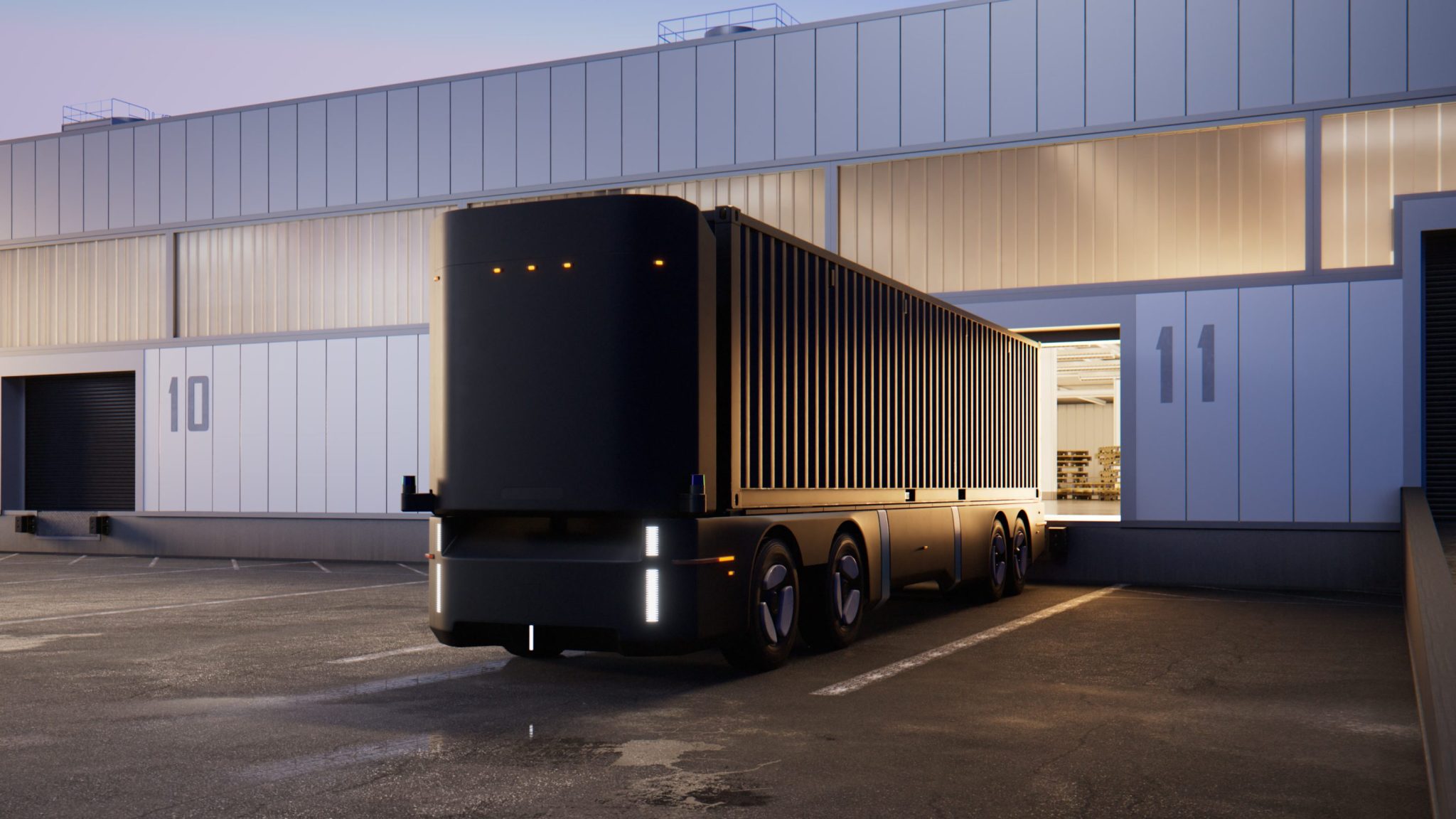
Humble's most striking innovation lies in its radical departure from traditional truck architecture. Unlike conventional autonomous trucking companies that retrofit existing cab-and-trailer designs with self-driving technology, Humble has eliminated the driver's cab entirely, creating a fundamentally different vehicle architecture optimized for autonomous operation.
This cabless design offers several potential advantages that could transform freight economics. Without the need for driver accommodation, these vehicles can achieve superior aerodynamics, reducing fuel consumption and operational costs. The weight savings from eliminating cab components allows for increased cargo capacity, directly impacting profitability per mile traveled.
The engineering implications extend beyond simple weight reduction. By removing the cab, Humble can optimize the vehicle's center of gravity and weight distribution, potentially improving stability and handling characteristics crucial for safe autonomous operation. This design freedom also allows for more strategic placement of sensors, computing equipment, and safety systems without the constraints imposed by human operator requirements.
Industry observers note that this approach represents a complete reimagining of freight vehicle design, moving beyond incremental improvements to autonomous technology integration. The cabless configuration suggests Humble is betting on a future where human drivers are entirely unnecessary, rather than pursuing the hybrid approaches favored by many competitors who maintain backup driver capabilities.
Veteran Team Brings Unparalleled Autonomous Vehicle Expertise
Humble's founding team brings together experienced professionals from the autonomous vehicle industry's most influential companies. The involvement of Tesla veterans provides deep expertise in electric vehicle technology and manufacturing scalability, crucial elements for competing in the freight industry's cost-sensitive environment.
Waymo alumni contribute extensive experience in autonomous driving software and sensor fusion technologies. As Google's autonomous vehicle division, Waymo has accumulated millions of real-world driving miles and developed some of the industry's most sophisticated self-driving algorithms. This expertise becomes particularly valuable when adapting autonomous technology for the unique challenges of freight transportation, including highway-speed operation and varying weather conditions.
The Otto connection adds specific freight industry knowledge to Humble's foundation. Otto, which was acquired by Uber in 2016 before being shut down in 2018, focused specifically on autonomous trucking applications. Veterans from Otto understand the regulatory, operational, and technical challenges unique to autonomous freight transportation, providing Humble with insights that generalist autonomous vehicle companies might lack.
This combination of expertise spans the critical disciplines needed for autonomous trucking success: vehicle electrification, autonomous driving software, sensor technologies, and freight industry operations. The team's diverse background suggests a comprehensive approach to the complex challenges facing autonomous freight transportation.
Targeting the Massive U.S. Freight Transportation Market
The $900 billion U.S. freight industry represents one of the largest addressable markets for autonomous vehicle technology. This massive market size reflects the critical role freight transportation plays in the American economy, moving everything from consumer goods to industrial materials across the country's vast geographic expanse.
Current freight industry challenges create significant opportunities for autonomous solutions. A persistent driver shortage has plagued the trucking industry for years, with the American Trucking Associations estimating shortfalls that continue to worsen as experienced drivers retire and younger workers pursue alternative careers. This shortage drives up labor costs and creates capacity constraints that autonomous vehicles could address.
Safety concerns also present compelling arguments for autonomous freight solutions. Large trucks are involved in a disproportionate number of fatal highway accidents, often attributed to driver fatigue, distraction, or error. Autonomous systems promise to eliminate these human factors while maintaining consistent performance regardless of time of day or weather conditions.
Economic pressures within the freight industry create additional motivation for autonomous adoption. Fuel costs, maintenance expenses, and regulatory compliance requirements continue to squeeze margins for freight operators. Autonomous vehicles offer potential solutions through optimized routing, improved fuel efficiency, and reduced operational overhead.
Industry Context: The Race for Autonomous Freight Dominance
Humble enters an increasingly competitive autonomous trucking landscape where multiple approaches compete for market leadership. Traditional truck manufacturers like Volvo and Daimler have invested heavily in autonomous technology development, leveraging their existing manufacturing capabilities and dealer networks to bring self-driving trucks to market.
Technology-first companies like Aurora and TuSimple have pursued different strategies, focusing on autonomous driving software that can be integrated with various vehicle platforms. These companies argue that specialized software expertise provides sustainable competitive advantages over traditional manufacturers adapting existing products.
Tesla's Semi program represents another approach, combining electric vehicle technology with autonomous capabilities in a more conventional truck design. Tesla's strategy emphasizes the synergies between electrification and automation, arguing that both technologies are necessary for next-generation freight transportation.
Humble's cabless design differentiates the company from these existing approaches, suggesting confidence that complete architectural reimagining offers superior advantages to incremental improvements. This positioning requires substantial validation through testing and regulatory approval, but success could establish Humble as the definitive leader in autonomous freight transportation.
Regulatory considerations also shape the competitive landscape. The National Highway Traffic Safety Administration continues developing safety standards for autonomous commercial vehicles, while individual states maintain varying approaches to autonomous vehicle testing and deployment. Companies that can navigate this complex regulatory environment while demonstrating safety and reliability will gain significant competitive advantages.
Expert Analysis: Implications for Freight Industry Transformation
Industry analysts view Humble's announcement as a potentially transformative development for autonomous freight transportation. The cabless design approach suggests a company willing to challenge fundamental assumptions about vehicle architecture, potentially achieving breakthrough advantages over more conservative competitors.
"Humble's cabless approach represents exactly the kind of first-principles thinking needed to unlock autonomous trucking's full potential," notes autonomous vehicle industry analyst Sarah Chen. "By eliminating design constraints imposed by human drivers, they can optimize every aspect of the vehicle for autonomous operation and freight efficiency."
However, experts also acknowledge the significant challenges facing any cabless design. Regulatory approval processes typically favor evolutionary approaches over revolutionary ones, potentially slowing Humble's path to market. The company will need to demonstrate not only superior performance but also equivalent or better safety compared to conventional autonomous trucks.
The freight industry's conservative culture presents additional hurdles. Fleet operators prioritize reliability and proven performance over cutting-edge innovation, requiring Humble to build substantial operational track records before achieving widespread adoption.
What's Next: Key Milestones and Market Implications
Humble's immediate priorities likely focus on prototype development and testing validation. The company must demonstrate that cabless designs can meet safety standards and operational requirements before pursuing regulatory approval and commercial deployment.
Regulatory engagement represents another critical near-term focus. Humble will need to work closely with federal and state transportation authorities to establish safety protocols and approval processes for cabless autonomous vehicles, potentially setting precedents for the entire industry.
Market watchers should monitor Humble's progress toward pilot programs with major freight companies. Early operational partnerships will provide crucial validation for the cabless approach while generating real-world performance data needed for broader market acceptance.
The competitive response from established autonomous trucking companies will also shape market dynamics. Humble's radical approach may pressure competitors to reconsider their own design philosophies or accelerate development timelines to maintain market position.
For more tech news, visit our news section.
Optimizing Performance in an Autonomous Future
As autonomous vehicles transform transportation and logistics, professionals across industries must adapt to rapidly evolving technological landscapes. The same optimization principles driving Humble's cabless truck design—eliminating inefficiencies, maximizing performance, and rethinking fundamental assumptions—apply to personal productivity and health optimization. Success in tomorrow's automated world requires individuals who can think systematically about performance enhancement and continuous improvement. Join the Moccet waitlist to stay ahead of the curve.