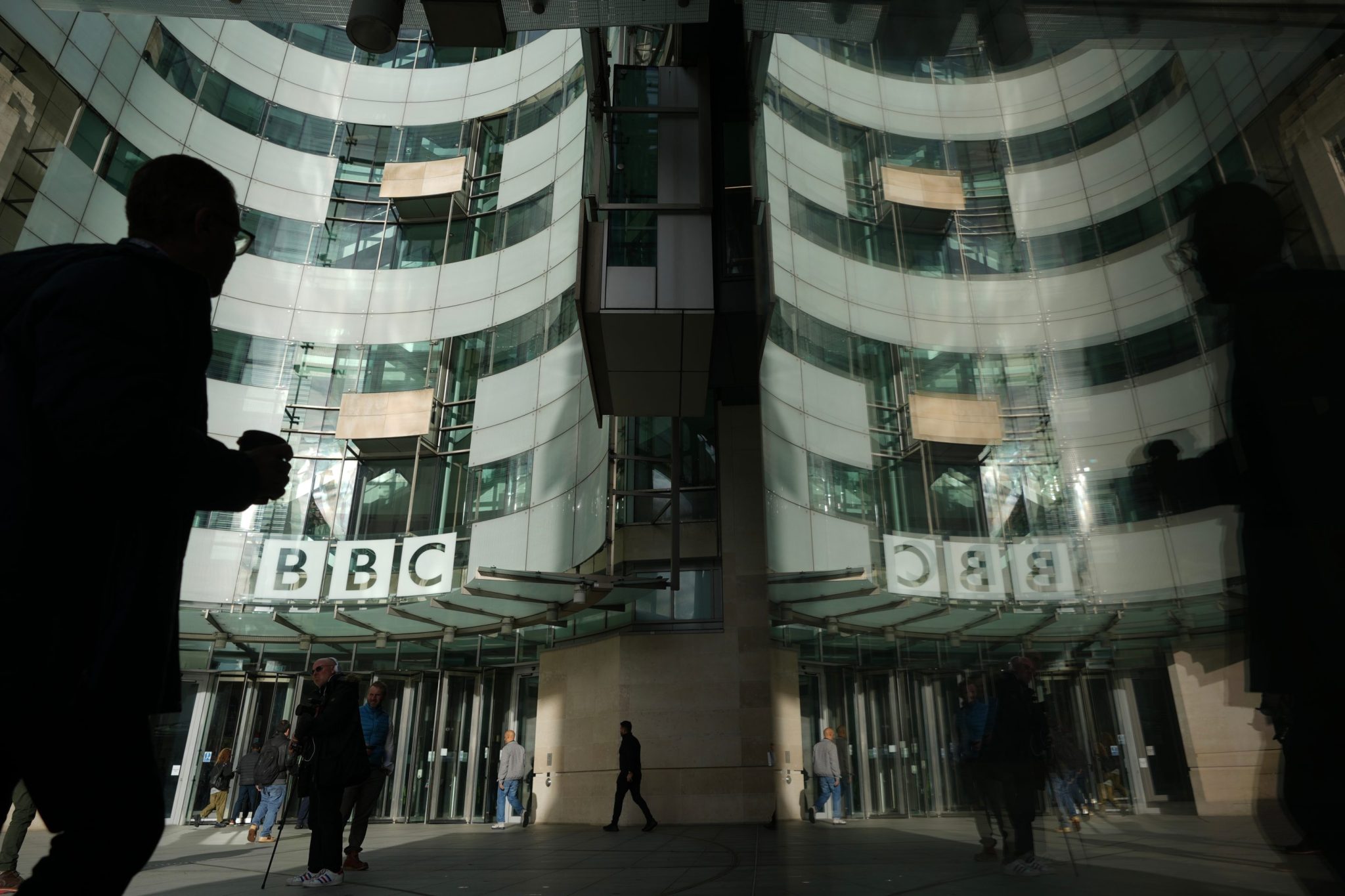
BBC Cuts 2,000 Jobs as New Google Executive Takes Helm
The BBC announced plans to cut up to 2,000 jobs in a dramatic cost-saving initiative aimed at reducing its annual budget by 10%, just as former Google executive Matt Brittin prepares to take over as director-general next month. The sweeping organizational restructure represents one of the most significant workforce reductions in the broadcaster's recent history, signaling a major strategic shift as the BBC adapts to mounting financial pressures and evolving media landscape challenges.
Massive Workforce Reduction Targets Budget Crisis
The BBC's decision to eliminate approximately 2,000 positions comes at a critical juncture for the public broadcaster, which has been grappling with declining revenues and increased competition from streaming platforms. The 10% budget reduction represents hundreds of millions of pounds in annual savings, though the exact financial figures have not been disclosed by the organization.
This workforce reduction affects multiple departments across the BBC's operations, from content production and news gathering to administrative functions and technical support roles. The cuts are expected to be implemented gradually throughout 2026 and early 2027, with voluntary redundancy packages being offered to eligible employees before any mandatory layoffs occur.
Industry analysts suggest these job cuts reflect broader challenges facing traditional media organizations in 2026. The BBC has been under increasing pressure to justify its license fee model while competing with tech giants like Netflix, Amazon Prime, and Disney+ for audience attention and talent. The organization's leadership views these cuts as necessary to maintain financial sustainability while preserving core broadcasting services.
The timing of the announcement, just weeks before Brittin's appointment becomes official in May 2026, indicates that these cost-cutting measures were likely planned in coordination with the incoming leadership team. This suggests a unified strategic vision between outgoing and incoming management regarding the BBC's future direction.
Google Executive Brings Tech Perspective to Traditional Media
Matt Brittin's appointment as BBC director-general represents a significant departure from traditional broadcasting leadership, bringing extensive experience from the technology sector to the helm of Britain's public broadcaster. Brittin's background at Google, where he served in senior executive roles for over a decade, positions him uniquely to navigate the BBC's digital transformation challenges.
During his tenure at Google, Brittin oversaw operations across Europe, the Middle East, and Africa, managing complex relationships with governments, regulators, and content creators. His experience dealing with digital advertising markets, content monetization strategies, and platform economics could prove invaluable as the BBC seeks new revenue streams beyond traditional license fees.
Brittin's leadership philosophy emphasizes data-driven decision making and agile organizational structures, approaches that align with the current restructuring efforts. His appointment signals the BBC's recognition that competing in the modern media landscape requires technological expertise and digital-first thinking rather than purely traditional broadcasting experience.
The new director-general faces the challenging task of implementing these job cuts while maintaining staff morale and public trust. His track record of managing large-scale organizational changes at Google suggests he understands the complexities of workforce transitions, though the public service nature of the BBC presents unique challenges compared to private sector environments.
Strategic Restructuring Reflects Media Industry Evolution
The BBC's workforce reduction and leadership change occur against the backdrop of unprecedented transformation in the global media industry. Traditional broadcasters worldwide are grappling with cord-cutting trends, shifting audience preferences toward on-demand content, and the dominance of technology companies in digital advertising markets.
Recent industry data shows that streaming services now account for more than 60% of video consumption among adults under 35 in the UK, while traditional television viewing continues to decline across all demographics. This shift has forced legacy media organizations to fundamentally reconsider their operational models and resource allocation strategies.
The BBC's approach mirrors similar restructuring efforts by other major broadcasters in 2026. CNN recently announced plans to eliminate 500 positions while investing heavily in digital platforms, and several European public broadcasters have implemented comparable cost-cutting measures to maintain financial viability in an increasingly competitive environment.
These industry-wide changes reflect the reality that traditional broadcasting revenue models are no longer sustainable without significant adaptation. Advertising revenues have shifted predominantly to digital platforms controlled by tech giants, while subscription-based streaming services capture growing shares of consumer entertainment spending.
Impact on Content Production and Quality
The workforce reduction raises important questions about the BBC's ability to maintain its content quality and production capacity. With 2,000 fewer employees, the organization will need to streamline operations and potentially reduce programming output across television, radio, and digital platforms.
However, industry experts suggest that strategic automation and improved production technologies could help offset some impact of reduced headcount. The BBC has been investing in artificial intelligence tools for content creation, automated news production systems, and cloud-based broadcasting infrastructure that may enable greater efficiency with smaller teams.
The challenge will be ensuring that cost-cutting measures don't compromise the BBC's public service mission or its reputation for high-quality journalism and entertainment programming. Maintaining audience trust while operating with reduced resources requires careful prioritization and strategic focus on core competencies.
Industry Context and Competitive Landscape
The BBC's restructuring occurs within a broader context of media industry consolidation and transformation that has accelerated throughout the mid-2020s. Traditional media companies are increasingly forced to choose between maintaining legacy operations and investing in digital capabilities necessary for future competitiveness.
Competition from streaming platforms has intensified significantly since 2024, with Apple TV+, Amazon Prime Video, and Netflix collectively investing over $50 billion annually in content production. These platforms leverage global scale and subscription revenue models that traditional broadcasters struggle to match without fundamental structural changes.
The regulatory environment adds another layer of complexity for the BBC's strategic planning. Government discussions about reforming the license fee system continue, while pressure mounts to demonstrate value for public funding amid competing priorities for taxpayer resources. The organization must balance cost reduction with maintaining services that justify public support.
Technological advancement presents both opportunities and challenges for the BBC's future strategy. Artificial intelligence, automated content production, and personalized streaming platforms offer possibilities for operational efficiency, but require significant upfront investment and technical expertise that may be difficult to achieve with reduced workforce capacity.
International expansion represents another strategic consideration as the BBC seeks revenue diversification. The success of BBC Studios in global markets demonstrates potential for growth beyond the domestic market, though this requires different capabilities and investment priorities than traditional UK broadcasting operations.
Expert Analysis and Industry Implications
Media industry experts view the BBC's workforce reduction as both inevitable and potentially transformative for the organization's long-term prospects. Dr. Sarah Chen, director of media studies at Oxford University, notes that "the BBC's restructuring reflects broader industry recognition that traditional broadcasting models require fundamental revision to remain viable in the streaming era."
Technology analyst Michael Rodriguez from Digital Media Insights suggests that Brittin's Google background could accelerate the BBC's digital transformation: "His experience with platform economics and data-driven content strategies may help the BBC develop new revenue streams and audience engagement models that traditional broadcasters have struggled to implement effectively."
However, some industry observers express concern about potential risks associated with such significant workforce reduction. Former BBC executive Jane Thompson warns that "cutting 2,000 positions could undermine the organization's ability to maintain its editorial independence and comprehensive coverage, particularly in regional markets and specialized programming areas."
Union representatives have indicated strong opposition to the proposed cuts, arguing that reducing workforce capacity while expanding digital services creates unsustainable pressure on remaining employees. This tension between operational efficiency and worker welfare will likely influence how successfully the organization manages this transition period.
What's Next for the BBC and Media Industry
The implementation timeline for these workforce reductions will be closely watched by industry observers and competitors facing similar challenges. Success or failure of the BBC's restructuring could influence strategic decisions at other traditional media organizations considering comparable cost-cutting measures.
Key indicators to monitor include audience retention rates, content production levels, and employee satisfaction metrics throughout the transition period. The BBC's ability to maintain programming quality while operating with reduced headcount will demonstrate whether this restructuring model represents a viable path forward for traditional broadcasters.
Brittin's leadership approach during his initial months as director-general will signal the organization's future direction regarding technology adoption, content strategy, and audience engagement priorities. His decisions about resource allocation and strategic partnerships could establish precedents for how legacy media companies successfully adapt to digital-first environments.
For more tech news, visit our news section.
Major organizational changes like the BBC's restructuring create ripple effects throughout entire industries, influencing productivity patterns, workplace dynamics, and professional development priorities for thousands of workers. As traditional media organizations navigate this transformation period, employees across the sector must adapt to evolving skill requirements and changing workplace expectations. The stress of job uncertainty and organizational change can significantly impact individual productivity and well-being, making it more important than ever for professionals to optimize their personal performance and maintain competitive advantages. Join the Moccet waitlist to stay ahead of the curve.