Pakistan Proposes Iran-US Ceasefire Hours Before Trump Deadline
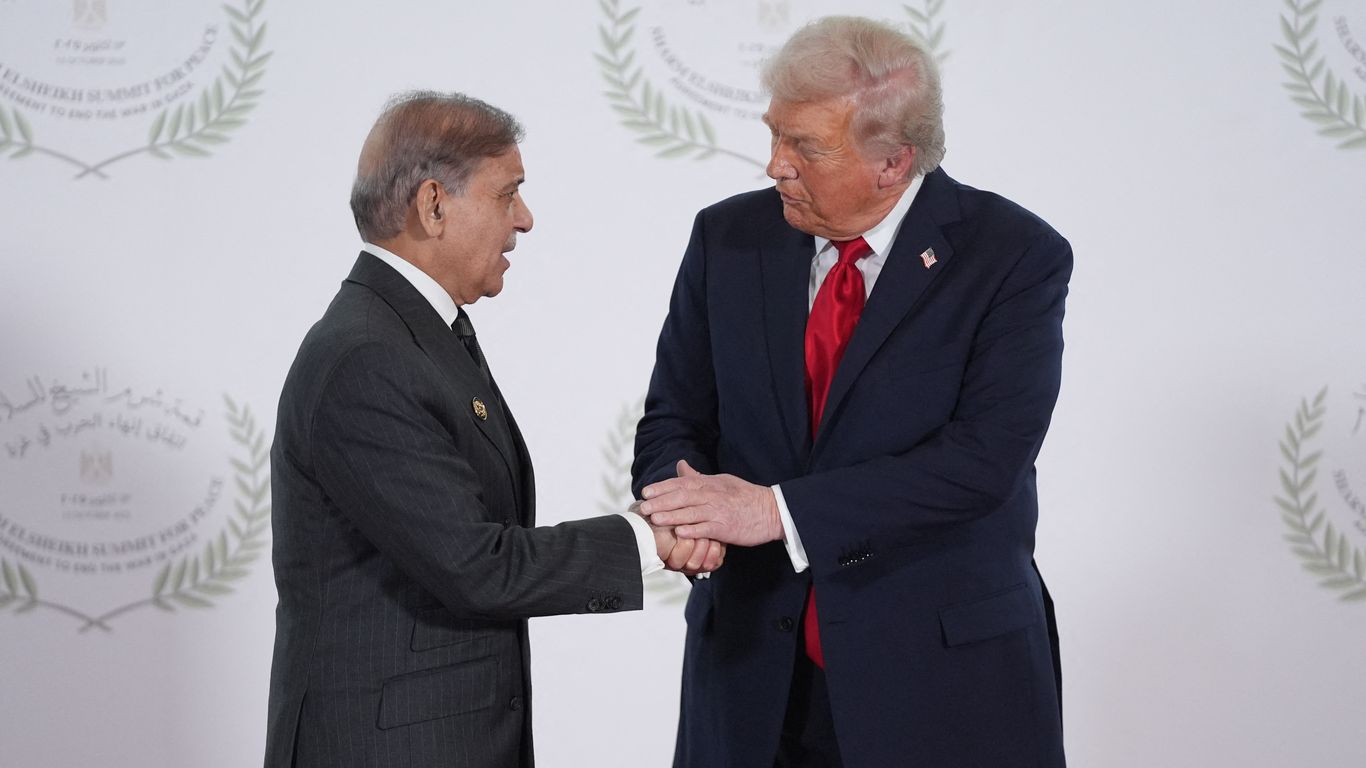
Pakistan Prime Minister Shehbaz Sharif issued an urgent diplomatic appeal on Tuesday, April 7, 2026, calling for a two-week ceasefire between the United States and Iran just hours before President Trump's stated deadline for either reaching a peace agreement or launching a massive bombing campaign against Iranian infrastructure. The eleventh-hour intervention positions Pakistan as a potential mediator in what has become one of the most dangerous escalations between Washington and Tehran in decades.
White House press secretary Karoline Leavitt confirmed that "The President has been made aware of the proposal, and a response will come," according to reports from Axios. The proposal came with less than five hours remaining before Trump's ultimatum deadline, adding unprecedented urgency to regional diplomatic efforts.
Diplomatic Intervention at Critical Moment
Pakistan's ceasefire proposal represents a significant diplomatic gambit by Prime Minister Sharif, who has positioned his country as a bridge between the escalating tensions. The two-week timeline would provide space for substantive peace negotiations while preventing what could become a devastating military confrontation with far-reaching regional and global consequences.
The timing of Sharif's intervention cannot be understated. With Trump's deadline approaching rapidly, diplomatic channels had appeared to be closing as both sides hardened their positions. Pakistan's proposal offers what may be the final opportunity for de-escalation before the situation crosses into active military conflict.
Sources close to the Pakistani government indicate that Sharif's team had been working behind the scenes for days to craft a proposal that would be acceptable to both Washington and Tehran. The two-week framework was reportedly chosen to provide sufficient time for meaningful negotiations while demonstrating immediate progress to satisfy Trump's demands for rapid resolution.
The ceasefire proposal also reflects Pakistan's unique position in regional geopolitics. As a nuclear-armed nation with historical ties to both the United States and Iran, Pakistan has maintained diplomatic relationships that could prove crucial in facilitating dialogue between the two adversaries.
Strategic Stakes and Regional Impact
The potential conflict between the US and Iran carries enormous implications for Pakistan and the broader South Asian region. A military confrontation would likely disrupt critical trade routes, energy supplies, and economic relationships that Pakistan depends on for its ongoing development efforts.
Pakistan's economy, which has been showing signs of recovery in 2026, could face severe disruption if military action proceeds. The country serves as a crucial transit point for regional trade, and any conflict involving Iran would immediately impact Pakistan's energy imports and export capabilities. This economic vulnerability has likely motivated Sharif's urgent diplomatic intervention.
Beyond economic considerations, Pakistan faces potential security challenges from any US-Iran conflict. The country shares a border with Iran and has worked to maintain stable relations despite pressure from various international partners. Military action could destabilize this delicate balance and create new security challenges along Pakistan's western frontier.
Regional experts note that Pakistan's proposal also serves to demonstrate the country's diplomatic capabilities and commitment to peaceful conflict resolution. By positioning itself as a mediator between major powers, Pakistan enhances its international standing and potentially strengthens its role in future regional diplomatic initiatives.
White House Response and Diplomatic Calculations
The White House's acknowledgment of Pakistan's proposal, while measured, suggests that the Trump administration is at least considering alternatives to military action. Press Secretary Leavitt's statement that "a response will come" indicates active deliberation within the administration about how to proceed with the ceasefire offer.
Political analysts suggest that Trump's response to Pakistan's proposal will be influenced by several factors, including domestic political considerations, alliance relationships, and the specific terms of any potential ceasefire agreement. The administration has consistently emphasized its preference for negotiated solutions, even while maintaining the credible threat of military action.
The involvement of Pakistan adds a new dimension to the diplomatic equation. Unlike previous mediation attempts by European allies or regional partners, Pakistan brings unique relationships and perspectives that could prove more acceptable to Iranian leadership while still maintaining credibility with the Trump administration.
Intelligence sources suggest that Pakistan's proposal may include specific confidence-building measures and preliminary frameworks for addressing the core issues driving US-Iran tensions. These could include nuclear program restrictions, regional security arrangements, and economic cooperation mechanisms designed to create momentum for longer-term negotiations.
Historical Context and Diplomatic Precedents
Pakistan's intervention follows a long tradition of the country serving as a diplomatic intermediary in international conflicts. Throughout the Cold War and into the modern era, Pakistani leaders have leveraged the country's strategic position to facilitate dialogue between opposing parties in regional and global disputes.
The current situation echoes previous moments when Pakistani diplomacy played crucial roles in de-escalating tensions. However, the stakes in the current US-Iran standoff are considerably higher, with both nuclear capabilities and regional stability hanging in the balance.
Historical analysis suggests that successful diplomatic interventions in similar crises have typically required not just the right timing and relationships, but also concrete incentives for all parties to engage constructively. Pakistan's challenge will be crafting proposals that address the fundamental concerns driving both American and Iranian positions while creating pathways for face-saving compromises.
The two-week timeframe proposed by Pakistan also reflects lessons learned from previous diplomatic efforts. Extended negotiations without clear deadlines have often failed to produce results, while overly compressed timelines have prevented the detailed discussions necessary for lasting agreements. The proposed two-week period attempts to balance urgency with thoroughness in addressing complex issues.
Expert Analysis and International Reactions
International relations experts have responded cautiously to Pakistan's ceasefire proposal, noting both its potential value and the significant challenges that remain. Dr. Sarah Mitchell, a Middle East specialist at the Council on Foreign Relations, observed that "Pakistan's intervention provides a face-saving opportunity for both sides to step back from the brink, but the underlying issues driving this crisis remain unresolved."
Regional security analysts emphasize that any ceasefire agreement would need robust monitoring mechanisms and clear consequences for violations to be effective. The short timeframe proposed by Pakistan creates additional pressure to establish these frameworks quickly while still allowing for substantive negotiations on core issues.
Economic experts note that even the announcement of ceasefire discussions has had immediate impacts on global markets, with oil prices fluctuating and regional currencies showing increased volatility. The proposal's ultimate success or failure will likely have lasting effects on international economic relationships and regional stability.
Diplomatic observers also point to the broader implications of Pakistan's mediation effort for international conflict resolution. Success could enhance Pakistan's reputation as a responsible regional power and potentially create models for addressing future crises involving major powers.
What's Next: Critical Hours and Decisions
The coming hours will prove decisive for both the immediate crisis and longer-term regional stability. Trump's response to Pakistan's ceasefire proposal will signal whether diplomatic solutions remain viable or if the situation will escalate to military confrontation.
Key factors to watch include the specific terms of any ceasefire agreement, the mechanisms for monitoring compliance, and the framework for substantive negotiations during the proposed two-week period. Success will require not just agreement to cease hostilities, but also progress on the fundamental issues driving US-Iran tensions.
Regional partners are likely monitoring developments closely, with implications extending far beyond the immediate participants. The outcome will influence alliance relationships, regional security arrangements, and international approaches to conflict prevention and resolution.
For more tech news, visit our news section.
In times of international crisis and uncertainty, maintaining personal productivity and mental clarity becomes more crucial than ever. The stress of global events can significantly impact individual performance, decision-making, and overall well-being. At Moccet, we understand that staying informed while managing stress and maintaining peak performance requires sophisticated tools and strategies. Our platform helps professionals navigate challenging periods by optimizing their cognitive resources and maintaining focus on what they can control. Join the Moccet waitlist to stay ahead of the curve.