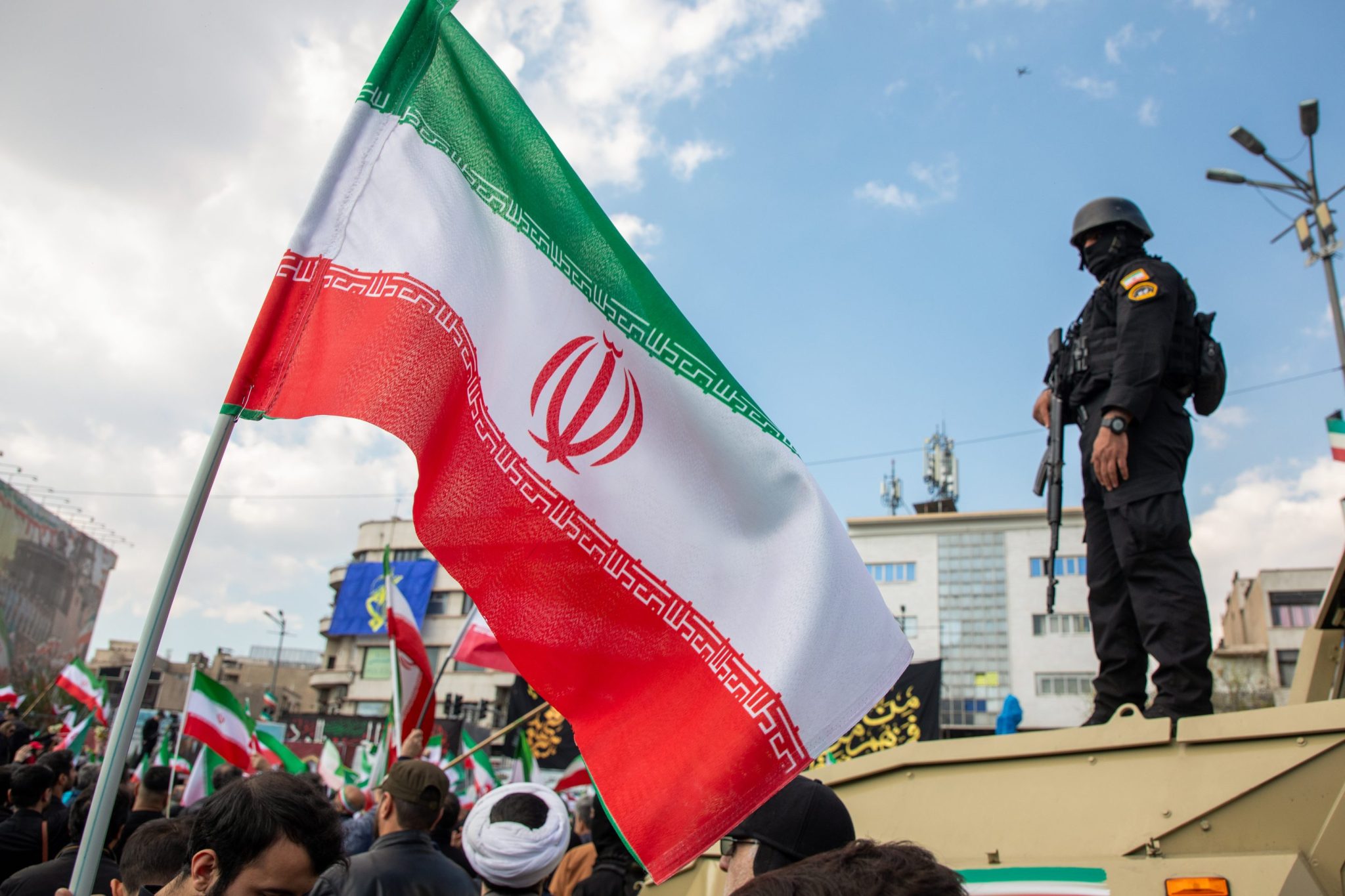
Iran Crisis: Human Shields Form Around Power Plants
In an unprecedented display of civil mobilization, Iranian citizens have begun forming human chains around power plants and critical infrastructure facilities across the country on April 7, 2026, following escalating international tensions and threats of military action. Social media videos show thousands of civilians linking arms around electrical facilities in Tehran, Isfahan, and other major cities, responding to government calls to physically shield vital infrastructure.
Massive Civilian Mobilization Across Iran
The extraordinary scenes unfolding across Iran represent one of the largest civilian mobilization efforts in recent memory. Videos circulating on social media platforms show organized chains of people, including families with children, elderly citizens, and young adults, surrounding power generation facilities, electrical substations, and water treatment plants.
The Iranian government's emergency broadcast system has been coordinating these efforts since early morning, with specific instructions broadcast on state television directing citizens to predetermined gathering points near critical infrastructure. Local reports indicate that over 50 facilities across 15 provinces are currently surrounded by human shields.
"We are witnessing an unprecedented form of civil defense," said Dr. Sarah Mitchell, a Middle East analyst at the Georgetown Institute. "This level of civilian coordination around infrastructure protection has rarely been documented in modern conflict situations."
The human chains appear highly organized, with participants wearing reflective vests and maintaining communication through handheld radios. Emergency medical stations have been established at each site, and local communities have organized food and water distribution networks to support the ongoing demonstrations.
International Crisis Reaches Critical Point
The civilian mobilization comes amid rapidly deteriorating international relations and threats of military intervention. The situation has created a complex diplomatic crisis that extends far beyond regional boundaries, with potential implications for global energy markets, international law, and civilian protection protocols.
Multiple international organizations have issued statements expressing concern about the involvement of civilians in potential conflict zones. The International Committee of the Red Cross released an emergency statement emphasizing that "civilian infrastructure must be protected under all circumstances, and civilians must not be placed in harm's way."
Energy markets have responded with significant volatility, with oil prices surging 12% in early trading as investors assess potential supply disruptions. The Brent crude benchmark reached $89 per barrel, while natural gas futures in Europe increased by 8% amid concerns about regional stability.
Regional allies and neighboring countries have begun implementing emergency protocols. The UAE has activated its strategic petroleum reserves, while Turkey has announced increased border security measures. Pakistan has called for immediate de-escalation through diplomatic channels.
Technology and Social Media Coordination
The rapid organization of these human chains demonstrates the powerful role of digital communication in modern crisis response. Iranian citizens have utilized encrypted messaging apps, social media platforms, and government communication channels to coordinate their movements with remarkable efficiency.
Telegram channels dedicated to the coordination effort have gained hundreds of thousands of subscribers within hours, sharing real-time updates about assembly points, supply needs, and safety protocols. Despite internet restrictions implemented by authorities, virtual private networks (VPNs) have allowed continued communication and organization.
Digital verification systems have emerged to authenticate the widespread nature of these demonstrations. Independent media organizations and international observers are using satellite imagery, social media geolocation, and multiple source verification to confirm the scope and scale of the civilian mobilization.
The use of technology for crisis coordination highlights broader trends in how populations organize during emergencies. Mobile applications designed for disaster response have seen unprecedented download rates in the region, as citizens seek tools for emergency communication and coordination.
Why This Matters for Global Stability
The current crisis represents a critical inflection point in international relations, with implications extending far beyond immediate regional concerns. The involvement of civilian populations in infrastructure protection creates complex legal, ethical, and strategic challenges that could reshape how international conflicts unfold in the digital age.
From a legal perspective, the situation raises unprecedented questions about civilian protection under international humanitarian law. Legal experts note that while civilians have the right to peaceful assembly, their positioning around potential military targets creates gray areas in established protocols for conflict engagement.
Economic implications are already reverberating through global markets. Iran's energy infrastructure plays a crucial role in regional energy security, and any disruption could affect global supply chains already strained by previous geopolitical tensions. The Strait of Hormuz, through which approximately 20% of global oil passes, remains a particular focus of international concern.
The crisis also demonstrates how modern information warfare and social media can rapidly escalate tensions. Real-time broadcasting of civilian mobilization efforts has created international pressure for peaceful resolution while simultaneously raising the stakes for all parties involved.
For international organizations, the situation presents a test case for crisis intervention and civilian protection mechanisms. The United Nations Security Council has called an emergency session for April 8, 2026, to address the deteriorating situation and explore diplomatic solutions.
Expert Analysis and International Response
Leading international relations experts are describing the current situation as unprecedented in its combination of civilian involvement, digital coordination, and potential for rapid escalation. Dr. James Harrison, director of the International Crisis Prevention Institute, noted that "we are witnessing new forms of asymmetric response that challenge traditional frameworks for international intervention."
Former diplomats emphasize the urgent need for de-escalation mechanisms. Ambassador Maria Rodriguez, who previously served as a special envoy to the region, stated that "the involvement of civilian populations dramatically raises the stakes for any potential military action and creates moral imperatives for peaceful resolution."
Military analysts point to the strategic complexity created by civilian positioning around infrastructure. Traditional targeting protocols become significantly more complicated when civilian populations are actively positioned as human shields, potentially altering strategic calculations for all parties involved.
International humanitarian organizations have mobilized emergency response teams to the region while calling for immediate de-escalation. The World Health Organization has pre-positioned medical supplies in neighboring countries, while the United Nations High Commissioner for Refugees has activated contingency plans for potential population displacement.
What to Watch in Coming Days
The rapidly evolving situation requires close monitoring of several key indicators that could signal either escalation or de-escalation. International observers are tracking diplomatic communications, military positioning, and civilian safety measures as primary indicators of how the crisis might unfold.
Emergency sessions at the United Nations Security Council scheduled for April 8-9, 2026, will likely determine the international community's coordinated response. Key allies and regional partners are expected to present unified positions on civilian protection and crisis de-escalation.
Economic markets will continue responding to developments, with energy prices serving as real-time indicators of perceived risk levels. Central banks in allied nations have indicated readiness to implement stabilization measures if market volatility continues.
The sustainability of civilian mobilization efforts will depend on multiple factors, including weather conditions, supply logistics, and international pressure for civilian safety. Local reports suggest that community organizations are preparing for extended periods of demonstration, with rotating shifts and comprehensive support networks.
For more tech news, visit our news section.
Staying Informed During Global Uncertainty
In times of international crisis, access to reliable information and personal preparedness become crucial for maintaining both mental health and productivity. The current situation demonstrates how rapidly global events can affect everything from energy costs to supply chains, making personal resilience and informed decision-making more important than ever. Join the Moccet waitlist to stay ahead of the curve with tools designed to help you maintain focus, health, and productivity regardless of external circumstances.