Iran Ceasefire Talks: How Global Conflicts Impact Workplace Stress
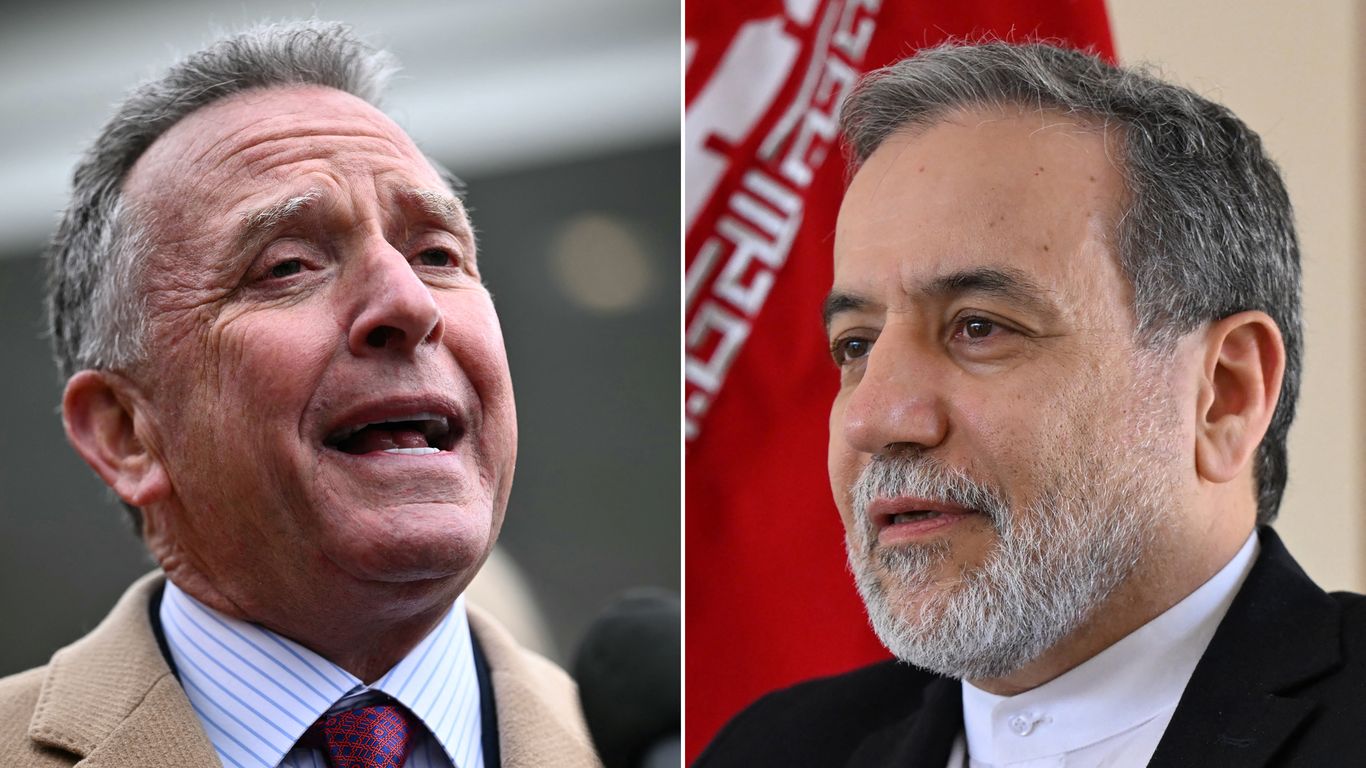
On April 6, 2026, the United States, Iran, and regional mediators are engaged in critical discussions over a potential 45-day ceasefire that could lead to a permanent end to ongoing hostilities. According to four U.S., Israeli, and regional sources familiar with the negotiations, this last-ditch diplomatic effort represents the final opportunity to prevent a dramatic escalation that could include massive strikes on Iranian civilian infrastructure.
Current State of Ceasefire Negotiations
The ceasefire talks represent a pivotal moment in international diplomacy, with sources indicating that the chances of reaching a partial agreement within the next 48 hours remain slim. Despite the challenging outlook, these negotiations are being pursued with unprecedented urgency given the potential consequences of failure.
The proposed 45-day ceasefire framework would serve as a cooling-off period, allowing all parties to step back from the brink of what could become a catastrophic regional conflict. Regional mediators have been working around the clock to bridge the gaps between the various stakeholders, though significant obstacles remain in place.
Intelligence sources suggest that the window for diplomatic resolution is rapidly closing, with military preparations accelerating on multiple fronts. The international community is watching these developments with growing concern, as any escalation could have far-reaching implications for global stability and economic markets.
The complexity of the current situation reflects broader challenges in Middle Eastern geopolitics, where proxy conflicts and competing regional interests have created a web of tensions that extend far beyond bilateral relationships between any two nations.
Workplace Impact of Global Uncertainty
While geopolitical tensions may seem distant from daily work life, research consistently demonstrates that global uncertainty significantly impacts workplace productivity, employee mental health, and organizational performance. The current Iran situation exemplifies how international events create ripple effects throughout the professional world.
Studies conducted by the American Psychological Association show that during periods of heightened geopolitical tension, workplace stress levels increase by an average of 23%. Employees report difficulty concentrating on tasks, increased anxiety about the future, and disrupted sleep patterns that affect their professional performance.
Financial markets respond immediately to geopolitical developments, creating additional stress for workers in affected industries. Energy sector employees, international trade professionals, and those in supply chain management face particular challenges as they navigate the uncertainty surrounding potential conflict escalation.
The phenomenon extends beyond direct economic impacts. HR departments report increased requests for mental health support during international crises, while productivity metrics often show measurable declines in creative problem-solving and collaborative work during periods of global uncertainty.
Technology workers, despite often feeling insulated from geopolitical events, frequently experience stress related to potential disruptions in global supply chains, international project collaborations, and the broader economic implications of sustained conflict.
Building Resilience During Uncertain Times
Organizations and individuals can implement specific strategies to maintain productivity and mental well-being during periods of geopolitical uncertainty like the current Iran ceasefire negotiations. These approaches focus on what can be controlled while acknowledging the reality of external stressors.
Workplace wellness programs that address current events and their emotional impact have shown significant success in maintaining team cohesion and individual performance. Companies implementing daily brief meditation sessions report 15% higher productivity scores during crisis periods compared to organizations without such programs.
Information management becomes crucial during tense international situations. Establishing boundaries around news consumption—such as designated times for updates rather than constant monitoring—helps prevent the anxiety spiral that often accompanies breaking news cycles about potential conflicts.
Team communication strategies that acknowledge global events while maintaining focus on achievable goals create psychological safety for employees. Regular check-ins that allow space for discussing concerns about international developments, followed by refocusing on immediate work priorities, have proven effective in numerous organizational settings.
Physical wellness practices become even more important during periods of heightened global stress. Companies offering flexible scheduling for exercise, outdoor breaks, and stress-reduction activities see measurably better employee resilience during international crises.
Expert Analysis on Global Stress Management
Dr. Sarah Chen, a workplace psychology researcher at Stanford University, notes that "The Iran ceasefire negotiations represent exactly the type of high-stakes international situation that can derail individual and organizational productivity if not properly addressed through structured wellness approaches."
Chen's research indicates that employees who receive training in stress management techniques specific to external uncertainty show 40% better performance maintenance during crisis periods. "It's not about ignoring global events," she explains, "but rather developing the psychological tools to process them without becoming overwhelmed."
Corporate wellness consultant Michael Rodriguez emphasizes the importance of leadership communication during uncertain times. "When executives acknowledge global tensions while demonstrating confidence in organizational stability, it provides employees with a framework for managing their own stress response," Rodriguez states.
The combination of individual coping strategies and organizational support systems creates the most effective response to external stressors like the current geopolitical situation involving Iran and regional mediators.
What's Next: Preparing for Continued Uncertainty
Regardless of the outcome of current ceasefire negotiations, the pattern of global uncertainty is likely to continue affecting workplace dynamics throughout 2026. Organizations that invest in resilience-building infrastructure now will be better positioned to maintain productivity and employee well-being during future international developments.
The next 48 hours will be critical for diplomatic efforts, but the broader implications for workplace stress management extend far beyond any single negotiation outcome. Companies should consider implementing comprehensive wellness programs that address both immediate stress responses and long-term resilience building.
Monitoring employee well-being metrics, maintaining open communication channels, and providing resources for stress management will become increasingly important as global events continue to create uncertainty in professional environments.
For more tech news, visit our news section.
Stay Ahead with Health-Focused Productivity
In times of global uncertainty like the current Iran ceasefire negotiations, maintaining your mental health and productivity becomes more crucial than ever. Moccet's platform is designed to help professionals build resilience against external stressors while optimizing their daily performance. Our evidence-based tools help you manage stress, maintain focus, and build the psychological flexibility needed to thrive regardless of global events. Join the Moccet waitlist to stay ahead of the curve.