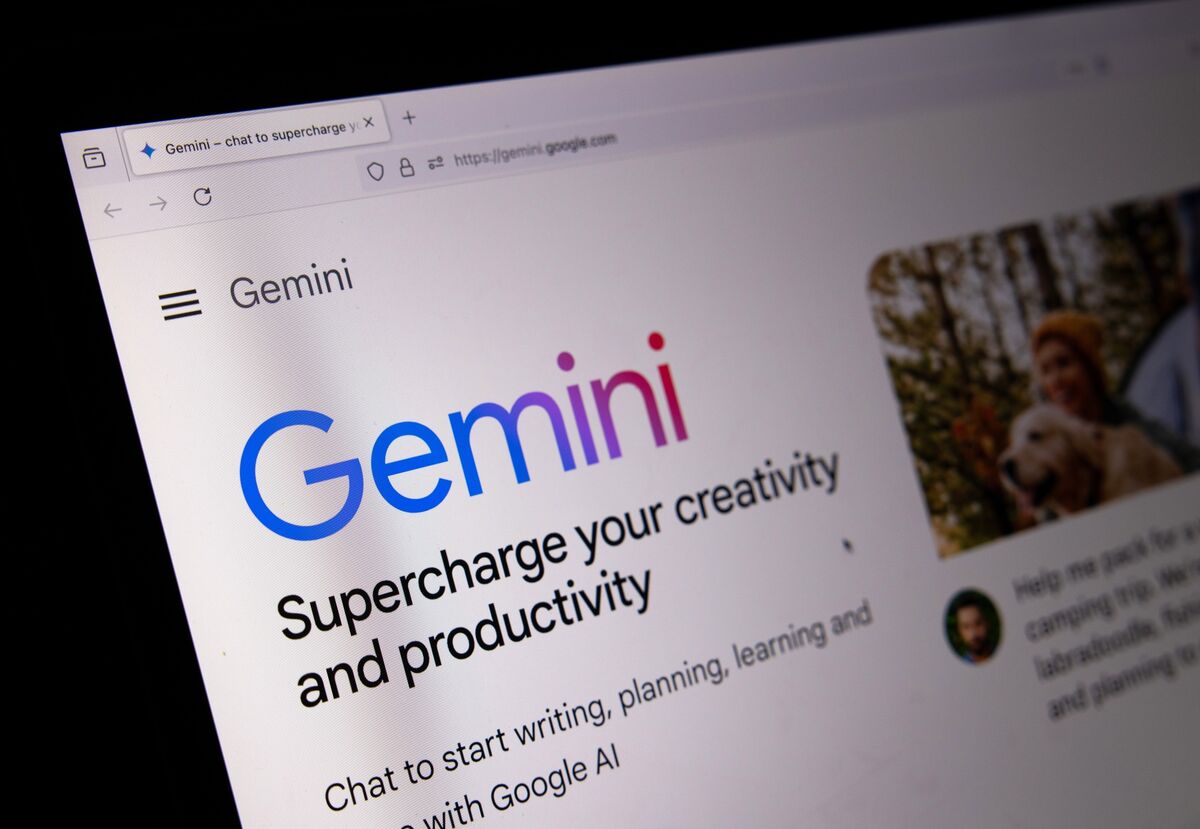
Google Adds Mental Health Tools to Gemini AI After Lawsuits
Google announced yesterday that it will introduce comprehensive mental health support features to its Gemini chatbot, marking a significant shift in AI safety protocols following multiple lawsuits against major AI companies. The tech giant's decision comes as both Google and OpenAI face legal challenges accusing their artificial intelligence tools of contributing to psychological harm among users.
The new mental health features, set to roll out across Gemini's platform throughout 2026, represent one of the most substantial safety upgrades implemented by a major AI company in response to legal pressure. This development signals a broader industry reckoning with the psychological risks posed by increasingly sophisticated AI chatbots.
Comprehensive Mental Health Integration Transforms Gemini Experience
Google's mental health tools for Gemini will include crisis intervention protocols, emotional state detection algorithms, and direct pathways to professional mental health resources. The company has partnered with leading mental health organizations to develop these features, ensuring they meet clinical standards while maintaining the conversational nature that users expect from AI assistants.
The crisis intervention system represents the most advanced feature in the new toolkit. When Gemini detects language patterns indicating severe emotional distress, suicidal ideation, or self-harm intentions, the AI will immediately shift into a specialized support mode. This includes providing validated coping strategies, offering immediate crisis hotline connections, and gently encouraging users to seek professional help.
"We're not trying to replace therapists or mental health professionals," explained Dr. Sarah Martinez, Google's newly appointed Director of AI Wellness. "Instead, we're creating a safety net that can provide immediate support and guide users toward appropriate professional resources when they need them most."
The emotional state detection algorithms utilize advanced natural language processing to identify subtle indicators of depression, anxiety, and other mental health concerns. Unlike previous AI safety measures that focused primarily on filtering harmful content, these new tools proactively engage with users who may be struggling emotionally, offering supportive responses and relevant resources.
Additionally, Gemini will now maintain conversation context related to users' emotional wellbeing over extended periods. This allows the AI to recognize patterns in mood and mental state, potentially identifying concerning trends before they escalate into crisis situations. Privacy safeguards ensure that this emotional data remains encrypted and is never used for advertising or other commercial purposes.
Legal Pressures Drive Industry-Wide AI Safety Revolution
The implementation of mental health tools in Gemini directly responds to a wave of litigation targeting AI companies over psychological harm. Since late 2025, at least seven major lawsuits have been filed against Google, OpenAI, and other AI developers, alleging that their chatbots contributed to user depression, anxiety, and in extreme cases, self-harm.
The most prominent case, filed in federal court in California in February 2026, involves a coalition of mental health advocacy groups claiming that AI chatbots lack adequate safeguards for vulnerable users. The lawsuit specifically cites instances where users reported developing unhealthy emotional dependencies on AI companions and experiencing distress when conversations ended abruptly or when the AI provided inappropriate responses to expressions of emotional pain.
"These lawsuits have forced the entire AI industry to confront a reality we've been slow to acknowledge," said Prof. Michael Chen, director of the AI Ethics Institute at Stanford University. "As these tools become more human-like in their interactions, they inevitably become involved in users' emotional lives. With that involvement comes responsibility."
OpenAI faces similar legal challenges, with plaintiffs arguing that ChatGPT and other conversational AI tools should be held to standards similar to those governing mental health apps and digital therapeutics. The lawsuits seek both monetary damages and injunctive relief requiring AI companies to implement comprehensive mental health safeguards.
Legal experts suggest that these cases could establish important precedents for AI liability, particularly regarding duty of care to users who may be emotionally vulnerable. The outcomes could significantly influence how AI companies design and deploy conversational systems, potentially requiring mental health considerations to be built into AI development from the earliest stages.
Industry Context: The Mental Health AI Revolution
Google's announcement comes at a pivotal moment for the intersection of artificial intelligence and mental health technology. The global digital mental health market, valued at $5.6 billion in 2025, is projected to reach $9.9 billion by 2027, driven in part by AI integration and the growing acceptance of technology-assisted mental health support.
The COVID-19 pandemic's lasting impact on global mental health has created unprecedented demand for accessible mental health resources. Traditional therapy and counseling services remain expensive and difficult to access for many people, creating a gap that AI-powered tools are increasingly being called upon to fill, albeit carefully and with appropriate limitations.
However, the integration of mental health features into mainstream AI chatbots raises complex questions about the boundaries between technology and healthcare. Unlike specialized mental health apps that operate under specific regulatory frameworks, general-purpose AI assistants like Gemini serve diverse user bases with varying needs and expectations.
"We're seeing the emergence of what we might call 'ambient mental health support,'" explained Dr. Lisa Rodriguez, a digital health researcher at Johns Hopkins University. "These aren't medical devices in the traditional sense, but they're becoming part of the mental health ecosystem by necessity. The challenge is ensuring they do more good than harm."
The regulatory landscape remains complex and evolving. While the FDA regulates digital therapeutics and mental health apps that make specific medical claims, general-purpose AI assistants with mental health features operate in a regulatory gray area. This uncertainty has contributed to the legal challenges facing AI companies and may drive calls for clearer regulatory frameworks.
Competitors are watching Google's approach closely. Microsoft's Copilot, Amazon's Alexa, and other major AI platforms are all reportedly developing their own mental health safety features, though none have announced implementations as comprehensive as Google's Gemini upgrades.
Expert Analysis: Balancing Innovation with Responsibility
Mental health professionals and AI researchers have offered mixed reactions to Google's announcement, praising the company's proactive approach while expressing concerns about the challenges of implementing effective mental health support through AI systems.
"This represents a meaningful step toward more responsible AI development," said Dr. Jennifer Walsh, president of the American Association of Digital Mental Health. "However, the effectiveness of these tools will ultimately depend on their implementation and the quality of the human support systems they connect users to."
Critics worry that AI mental health features could create false confidence in users or delay seeking professional help. There are also concerns about the potential for AI systems to misinterpret user statements or provide inappropriate responses in sensitive situations, despite advanced safety measures.
"The fundamental challenge is that mental health is deeply contextual and individual," noted Dr. Robert Kim, a clinical psychologist who specializes in technology-assisted therapy. "AI can provide valuable support and resources, but it's crucial that users understand the limitations and continue to prioritize professional mental health care when needed."
From a technical perspective, implementing reliable mental health features in AI systems requires sophisticated natural language understanding, extensive training data, and robust safety protocols. Google's approach involves continuous monitoring and updates based on user feedback and mental health professional guidance.
What's Next: The Future of AI Mental Health Integration
Google's mental health tools for Gemini are expected to begin rolling out to users in select markets by late April 2026, with global availability planned for the summer. The company has committed to transparently reporting on the system's performance and user outcomes, potentially setting new standards for AI accountability.
Industry observers expect other major AI companies to accelerate their own mental health safety initiatives in response to Google's announcement. This could lead to rapid innovation in AI-powered mental health support, but also raises questions about standardization and best practices across different platforms.
The legal cases driving these changes are expected to reach resolution throughout 2026 and 2027, potentially establishing important precedents for AI company liability and user protection requirements. These outcomes could significantly influence the future development of conversational AI systems across the industry.
Regulatory bodies, including the FDA and international equivalents, are also closely monitoring these developments. New guidelines specific to AI mental health features may emerge as the technology becomes more widespread and its impacts better understood.
For more tech news, visit our news section.
Staying Ahead in the AI-Powered Health Revolution
As artificial intelligence becomes increasingly integrated into our daily lives and mental health support systems, staying informed about these developments is crucial for making informed decisions about the technology tools we use. The convergence of AI and mental health represents both tremendous opportunities and important considerations for personal wellbeing and productivity optimization. Join the Moccet waitlist to stay ahead of the curve.