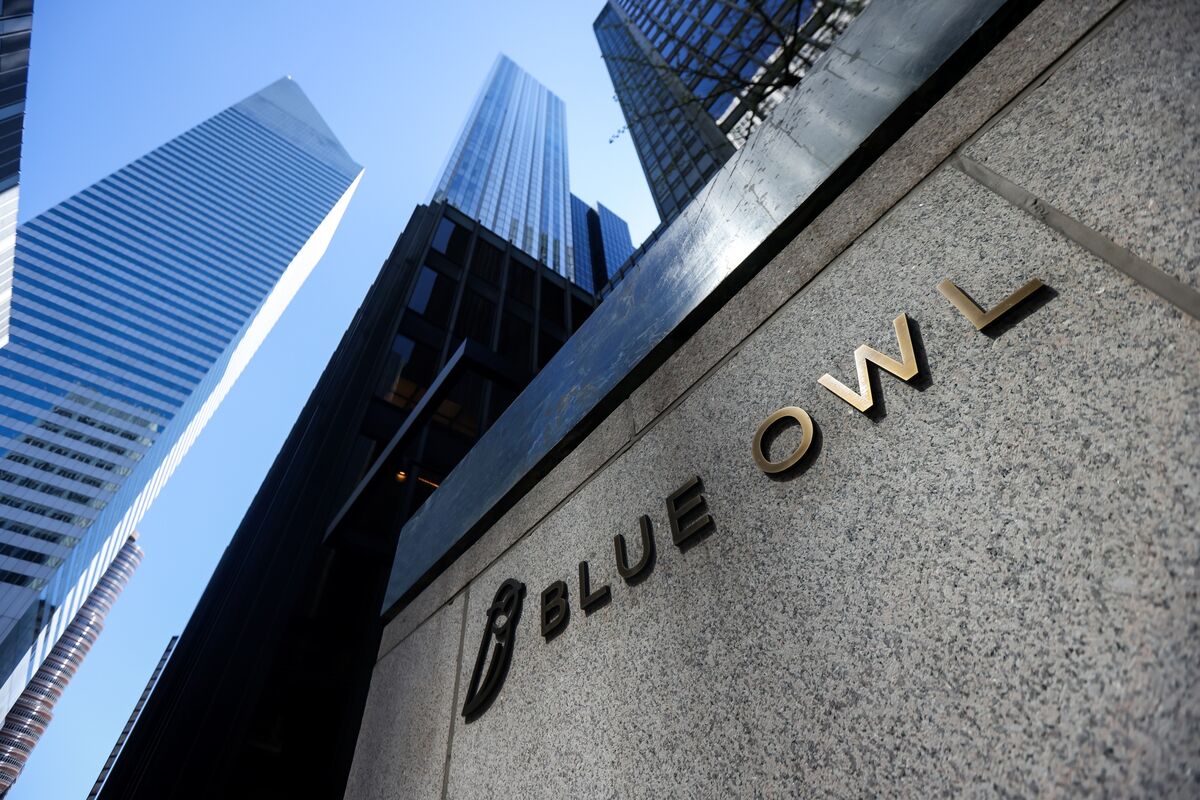
Blue Owl Raises $400M in First Private Credit Deal Amid AI Concerns
Blue Owl Capital Inc.'s private credit fund successfully raised $400 million from bond investors on Monday, April 13, 2026, marking the first deal of its kind in over a month as the once-thriving private credit industry grapples with concerns about AI-disrupted software investments and loosening lending standards.
Breaking the Fundraising Drought in Private Credit Markets
The successful $400 million bond raise by Blue Owl represents a significant milestone in what has been an increasingly challenging environment for private credit fundraising. The deal's completion breaks a prolonged dry spell that has gripped the industry since mid-March 2026, when market sentiment began shifting dramatically due to mounting concerns about artificial intelligence's disruptive impact on software sector investments.
This fundraising achievement comes at a critical juncture for the private credit industry, which had experienced unprecedented growth over the past several years. The sector's assets under management had swelled to record levels before the current market uncertainty took hold, making Blue Owl's successful capital raise all the more noteworthy given the challenging backdrop.
The timing of this deal suggests that while market conditions remain difficult, institutional investors still have appetite for well-positioned private credit strategies. Blue Owl's ability to attract $400 million in commitments indicates that quality managers with proven track records can still access capital markets, even during periods of heightened uncertainty.
Industry observers note that the gap between deals has been unusually long, with many private credit funds struggling to complete fundraising processes that would have been routine just six months ago. The successful completion of Blue Owl's bond offering may signal a potential thaw in market conditions, though experts caution that broader industry challenges persist.
AI Disruption Reshapes Private Credit Investment Landscape
The private credit industry's recent struggles stem largely from growing concerns about how artificial intelligence is reshaping the software sector, which has been a significant focus area for many private credit funds. As AI technologies rapidly advance, traditional software business models face potential disruption, leading investors to reassess the risk profiles of their technology-focused lending strategies.
Software companies have historically been attractive borrowers for private credit funds due to their recurring revenue models and relatively predictable cash flows. However, the accelerating pace of AI development has introduced new uncertainties about which software businesses will remain competitive in an AI-driven landscape.
This technological disruption has forced private credit managers to fundamentally reconsider their due diligence processes and risk assessment frameworks. Many funds are now incorporating AI impact analyses into their investment decisions, evaluating whether potential borrowers' business models are vulnerable to AI-driven competition or automation.
The shift has been particularly pronounced in areas such as enterprise software, where AI-powered solutions are rapidly emerging as alternatives to traditional software-as-a-service offerings. Private credit funds that had built substantial exposure to these sectors now face the challenge of managing portfolios with potentially heightened technological obsolescence risks.
Blue Owl's successful fundraising suggests that the firm may have effectively addressed these AI-related concerns in its investment strategy or positioning, giving investors confidence in the fund's ability to navigate the evolving technological landscape.
Lending Standards Under Scrutiny as Market Dynamics Shift
Beyond AI-related concerns, the private credit industry has also faced increased scrutiny over lending standards that critics argue became too permissive during the sector's rapid growth phase. Regulatory bodies and institutional investors have raised questions about whether some private credit funds compromised underwriting quality in pursuit of higher returns and market share.
The loosening of lending standards has become a particular concern as economic conditions show signs of becoming more challenging. Higher interest rates and inflation pressures have strained some borrowers' ability to service debt, highlighting potential weaknesses in underwriting processes that were established during more favorable economic periods.
Industry data suggests that default rates in certain private credit portfolios have begun to tick upward, though they remain below historical averages for traditional high-yield credit markets. Nevertheless, the trend has prompted institutional investors to become more selective in their private credit allocations, favoring managers with demonstrated discipline in underwriting and risk management.
Blue Owl's ability to complete its $400 million fundraising amid these concerns suggests that the firm has maintained investor confidence in its credit underwriting processes. This success may reflect the company's established reputation for risk management or its ability to articulate a compelling response to current market concerns about lending standards.
Industry Context and Market Implications
The private credit industry's current challenges represent a significant shift from the sector's recent trajectory. Over the past decade, private credit has emerged as one of the fastest-growing segments of alternative investments, with assets under management expanding from approximately $400 billion in 2016 to over $1.5 trillion by early 2026.
This growth was driven by several factors, including banks' reduced lending activities following post-financial crisis regulations, companies' increasing comfort with non-bank financing sources, and institutional investors' search for yield in a low-interest-rate environment. However, the current market disruption suggests that the sector's growth trajectory may be entering a new phase characterized by greater selectivity and risk awareness.
The convergence of AI disruption concerns and questions about lending standards has created a perfect storm that has cooled investor enthusiasm for private credit strategies. Many institutional investors are taking a pause to reassess their private credit allocations, leading to the fundraising drought that Blue Owl's deal has now broken.
Market observers note that this period of reflection may ultimately benefit the industry by encouraging more disciplined investment practices and better risk management. The managers who can successfully navigate this challenging environment may emerge with stronger competitive positions and more sustainable business models.
The fact that Blue Owl was able to raise $400 million during this difficult period suggests that there remains significant institutional interest in private credit, provided that managers can demonstrate appropriate responses to current market concerns. This successful fundraising may encourage other managers to test market appetite for their own capital raising efforts.
Expert Analysis and Industry Outlook
Industry experts view Blue Owl's successful $400 million raise as a potential indicator that the private credit market may be beginning to stabilize after months of uncertainty. "This deal suggests that while investors have become more selective, there's still appetite for private credit strategies from managers who can demonstrate strong risk management and clear thinking about current market challenges," notes one industry analyst who requested anonymity.
The successful completion of this fundraising also highlights the importance of manager selection in the current environment. Institutional investors appear to be gravitating toward established players with proven track records and transparent approaches to addressing AI disruption and lending standard concerns.
Some experts suggest that the current market correction may ultimately strengthen the private credit industry by weeding out less disciplined players and encouraging more sustainable business practices. The managers who can successfully raise capital in this environment may be better positioned for long-term success as market conditions eventually normalize.
However, challenges remain significant. The ongoing uncertainty about AI's impact on various sectors continues to complicate investment decision-making, while regulatory scrutiny of lending practices shows no signs of abating. These factors suggest that while Blue Owl's success is encouraging, the broader industry recovery may still be in its early stages.
What's Next for Private Credit Markets
Blue Owl's successful $400 million fundraising may serve as a catalyst for renewed activity in private credit markets, though industry observers caution that broader recovery will likely depend on several key factors. The resolution of concerns about AI's impact on software investments and demonstration of maintained lending standards will be crucial for restoring full investor confidence.
Market participants will be closely watching whether other private credit managers can follow Blue Owl's example with successful fundraising efforts in the coming months. The success or failure of these subsequent deals will provide important signals about whether this represents a genuine market turning point or an isolated success.
Additionally, the evolution of AI technology and its actual impact on software businesses will be crucial in determining how quickly concerns about technology disruption subside. As the market gains more clarity about which software sectors are most vulnerable to AI displacement, private credit funds may find it easier to position their investment strategies and attract capital.
For more tech news, visit our news section.Optimizing Performance in Uncertain Markets
Just as Blue Owl Capital demonstrated resilience and strategic thinking to successfully navigate challenging market conditions, professionals across all industries must develop the mental agility and decision-making frameworks needed to thrive amid uncertainty. The ability to process complex information, maintain focus under pressure, and make sound judgments when facing technological disruption has become essential for career success. Moccet's health and productivity platform helps you build these cognitive capabilities through evidence-based optimization strategies, ensuring you can perform at your peak regardless of market volatility. Join the Moccet waitlist to stay ahead of the curve.