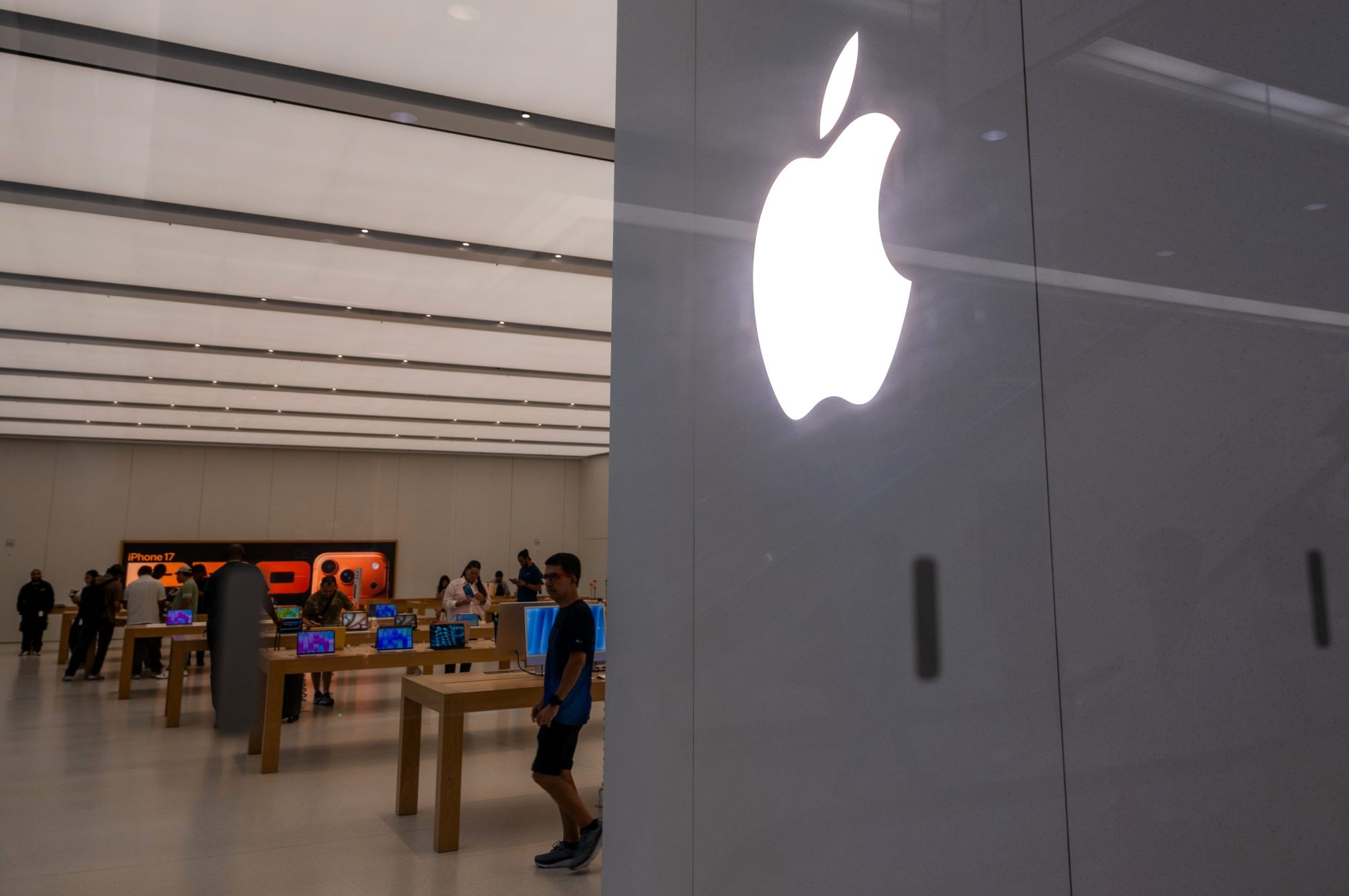
Apple Lobbies U.S. to Buy Chips From Blacklisted CXMT
Apple Seeks U.S. Approval to Buy Chips From Blacklisted Chinese Chipmaker CXMT
Apple Inc. has been lobbying officials at the Commerce Department and across the Trump administration for approval to source memory chips from ChangXin Memory Technologies Inc. (CXMT), China's largest DRAM manufacturer, according to reporting by the Financial Times published June 27, 2026, citing six people familiar with the matter. The move comes as Apple grapples with an unprecedented memory shortage that has already forced the company to raise prices on its Mac, iPad, home device, and Vision Pro product lines — the first broad mid-cycle price increase of its kind in over a decade.
Apple declined to comment, and the White House did not respond to the Financial Times' request for comment.
What Apple Is Asking For — and Why It Matters
Apple is not legally prohibited from purchasing chips from CXMT. The company's concern, according to the Financial Times, is a potential escalation: it is seeking guarantees that CXMT will not be added to the U.S. Commerce Department's Entity List. That designation would impose stiff licensing restrictions on American buyers, effectively making it extremely difficult or impossible to procure the company's products without government approval.
CXMT currently sits on a different and less restrictive list — the Pentagon's Section 1260H register of companies with alleged connections to the Chinese military. The Pentagon's June 8, 2026 update to that list added 65 new entities, bringing the total to 188 firms. CXMT was listed based on its direct affiliation with China's Ministry of Industry and Information Technology (MIIT) and its indirect affiliation with SASAC, the state-owned assets regulator. The same update added major Chinese companies including Alibaba, Baidu, and BYD, and restored both CXMT and fellow chipmaker Yangtze Memory Technologies Co. (YMTC) — the two had been briefly removed from an earlier February 2026 version of the list before that update was withdrawn without explanation, likely following pressure from China hawks in Congress.
A 1260H designation carries reputational risk and restricts Defense Department contracting, but it does not prevent private-sector companies from conducting business with listed firms. The Commerce Department's Entity List is the designation Apple is trying to prevent — a far more severe restriction that would require U.S. buyers to obtain an export license, which are typically denied, before purchasing any products from a listed company.
According to the Financial Times, Apple first approached the Commerce Department more than a month ago and has since expanded its discussions to other administration officials. The lobbying effort reportedly gained momentum after U.S. President Donald Trump met Chinese President Xi Jinping in Beijing in the prior month.

A Memory Crisis Forcing Apple's Hand
Apple's outreach to Washington reflects the severity of the memory market disruption reshaping the global technology industry. The AI boom has created extraordinary demand for high-bandwidth memory (HBM), pulling Samsung, SK Hynix, and Micron — the three dominant DRAM suppliers — toward data center customers and away from consumer-grade memory production. The supply squeeze has been swift and severe.
Conventional DRAM contract prices rose as much as 90% to 95% quarter-over-quarter in Q1 2026, according to industry tracker TrendForce. AI data centers are expected to consume approximately 70% of all memory chips produced globally in 2026, according to Everstream Analytics. Micron, one of Apple's primary suppliers, locked in $22 billion in long-term supply commitments, and its revenue more than quadrupled in its fiscal third quarter of 2026, rising from $9.3 billion a year earlier to $41.46 billion — a figure that illustrates just how much pricing power has shifted to the supplier side.
On June 25, 2026, Apple announced sweeping price increases across Macs, iPads, home devices, and the Vision Pro. The 13-inch MacBook Air increased to $1,299 from $1,099, and the MacBook Neo rose to $699 from $599. Apple stated it could no longer absorb the rising component costs.
"The rapid expansion of AI data centers has created an extraordinary surge in demand for memory and storage. We have never seen a component price increase this much, this quickly," Apple said in a statement.
The company acknowledged the burden the increases would place on consumers. "We know this is not welcome news, and we are working tirelessly to find solutions," Apple said in a separate statement.
The market reaction was swift. Apple's shares fell more than 5% on June 25, 2026, wiping approximately $275 billion from the company's market capitalization, dropping its value to just over $4 trillion. iPhone, Apple Watch, and AirPods prices were not raised.
CXMT's Rise as a Global Memory Supplier
For buyers squeezed out of supply by the Big Three, CXMT has emerged as one of the few meaningful alternatives. The company's growth over the past 18 months has been striking. CXMT posted 2025 revenue of approximately US$8 billion, a 130% increase from the prior year, while growing its monthly DRAM wafer capacity from 100,000 units at the start of 2024 to 290,000 units by year-end, according to TechWire Asia.
In Q1 2026, CXMT's DRAM revenue surged more than 700% year over year, securing the company the No. 4 position globally, with market share more than doubling to approximately 8%, according to Counterpoint Research data cited by Infotechlead. CXMT has already been supplying DDR5 memory to Western brands including Corsair at prices that undercut the three dominant manufacturers. According to SemiAnalysis data, CXMT's DRAM average selling price in Q1 2026 was only roughly 5% to 10% below Samsung, SK Hynix, and Micron — a relatively narrow gap that speaks to the company's growing competitive maturity.
The price advantage is a key part of CXMT's appeal to cost-sensitive buyers. "Chinese manufacturers often enjoy a price advantage of more than 15 per cent for products of the same specifications, which is highly attractive to the price-sensitive general-purpose server and consumer markets," said Arisa Liu, chief director and research fellow at Taiwan Industry Economics Services, a unit of the Taiwan Institute of Economic Research.
A Familiar Dilemma: Security Concerns vs. Supply Chain Reality
This is not the first time Apple has weighed sourcing chips from a Chinese memory manufacturer only to pull back under political pressure. In 2022, Apple considered sourcing NAND flash memory from YMTC for iPhones sold in China, but shelved the plan after the Biden administration tightened export controls and U.S. lawmakers raised national security concerns. YMTC, like CXMT, has since been restored to the Pentagon's 1260H list following the brief and contested February 2026 removal.
The current situation is more complicated. Apple is not quietly exploring a supplier relationship — it is actively lobbying the U.S. government for assurances, a move that reflects both the depth of the supply crisis and the company's awareness that proceeding without political cover carries significant risk. Whether the Trump administration will grant those assurances is far from certain. According to Investing.com, citing the Financial Times report, it remains unclear whether the White House would support Apple's request, particularly given congressional opposition to expanding commercial ties with Chinese semiconductor companies viewed as strategically important.
The broader memory market outlook offers little near-term relief. "The memory environment is tough and remains structurally tough for the foreseeable future," said Ben Bajarin, CEO of technology consulting firm Creative Strategies.
What Happens Next
Apple's lobbying campaign is ongoing, and its outcome will depend on factors well beyond the company's control — including the state of U.S.-China trade relations, congressional sentiment toward Chinese semiconductor firms, and whether the Trump administration sees commercial flexibility with CXMT as consistent with its broader technology policy goals.
The 1260H designation is not a legal barrier to Apple's procurement, but the Commerce Department's Entity List is — and the fear of escalation to that list is precisely why Apple is in Washington seeking guarantees. Without those guarantees, sourcing from CXMT would carry reputational and regulatory risk that Apple has historically been unwilling to accept when congressional scrutiny is high.
Meanwhile, CXMT is preparing for an IPO on Shanghai's Star Market, targeting raised capital for further capacity expansion. The company's rapid ascent to the No. 4 global DRAM position in roughly two years signals that its role in the global memory market — and the geopolitical debates surrounding it — will only grow.
For Apple, the pressure is immediate. The price hikes announced on June 25 were described as a direct consequence of component cost inflation the company said it could no longer absorb. Finding a reliable, cost-competitive alternative to the Big Three is not a long-term strategic exercise — it is an urgent operational problem, and CXMT is currently the most viable answer Apple has found.
For more tech news, visit our news section.
Why This Matters for How You Work and Live
Memory chip shortages and the price increases they trigger don't stay on corporate balance sheets — they flow directly into the devices people rely on every day for work, creativity, and staying organized. Higher MacBook and iPad prices mean upgrade cycles get longer, performance stays constrained, and the tools that power personal productivity become harder to access. At Moccet, we track the technology trends shaping how people perform at their best. Join the Moccet waitlist to stay ahead of the curve.